School Zones Concentrate Risk Into Two Short Windows Each Day
School arrival and dismissal windows rank among the most hazardous recurring driving environments in any given workday. Data from the Colorado State Patrol, analyzing three years of crash records in Colorado school safety zones, found that crashes occurred three times as frequently during pickup and drop-off hours compared to all other hours of the school day. That ratio is specific to Colorado. But the underlying conditions that produce it (compressed time, high congestion, distracted drivers, and unpredictable pedestrian movement) show up in school zone data across the country.
The Texas Department of Transportation (TxDOT) reported 877 crashes in Texas school zones in 2025, a 12% increase from the year prior, with distracted driving and speeding identified as the most common contributing factors. For fleet operators with routes that pass through residential neighborhoods, near elementary and middle schools, or along corridors shared with school buses, these windows represent a predictable, time-boxed liability exposure worth building specific protocols around.
Why Arrival and Dismissal Windows Are Different
Standard traffic conditions shift meaningfully during school arrival and dismissal hours. Volume spikes in a compressed geographic area within a very short time frame. Drivers who run the same route five days a week grow familiar with it and stop treating it as a situation demanding full attention. That familiarity is itself a liability.
The Colorado State Patrol identified three leading causal factors in school zone crashes: inattentive driving, following too closely, and failure to yield the right of way. These don't occur in isolation. They compound each other. A driver who isn't fully attending to the road takes longer to react to a stopped vehicle ahead, which collapses following distance, which turns a manageable near-miss into a contact event.
Inattentive Driving and Following Distance
Distracted driving sits at the top of the causal factors list in both the Colorado and Texas datasets. For commercial fleets, this creates a specific coaching gap. A driver checking dispatch messages, adjusting a GPS route, or fielding a call during a school zone transit window faces the same distraction risks as any other motorist, but operates a larger vehicle with longer stopping distances and more limited sightlines.
Following too closely is the practical consequence of distraction in dense traffic. Gaps close faster than drivers expect when attention lapses. A vehicle stopping to allow a child to cross from between parked cars can trigger a rear-end collision before a distracted driver completes a reaction. This is especially true for loaded service vans, box trucks, and utility vehicles whose braking performance differs substantially from passenger cars at the same speed.
Failure to Yield and Pedestrian Conflicts
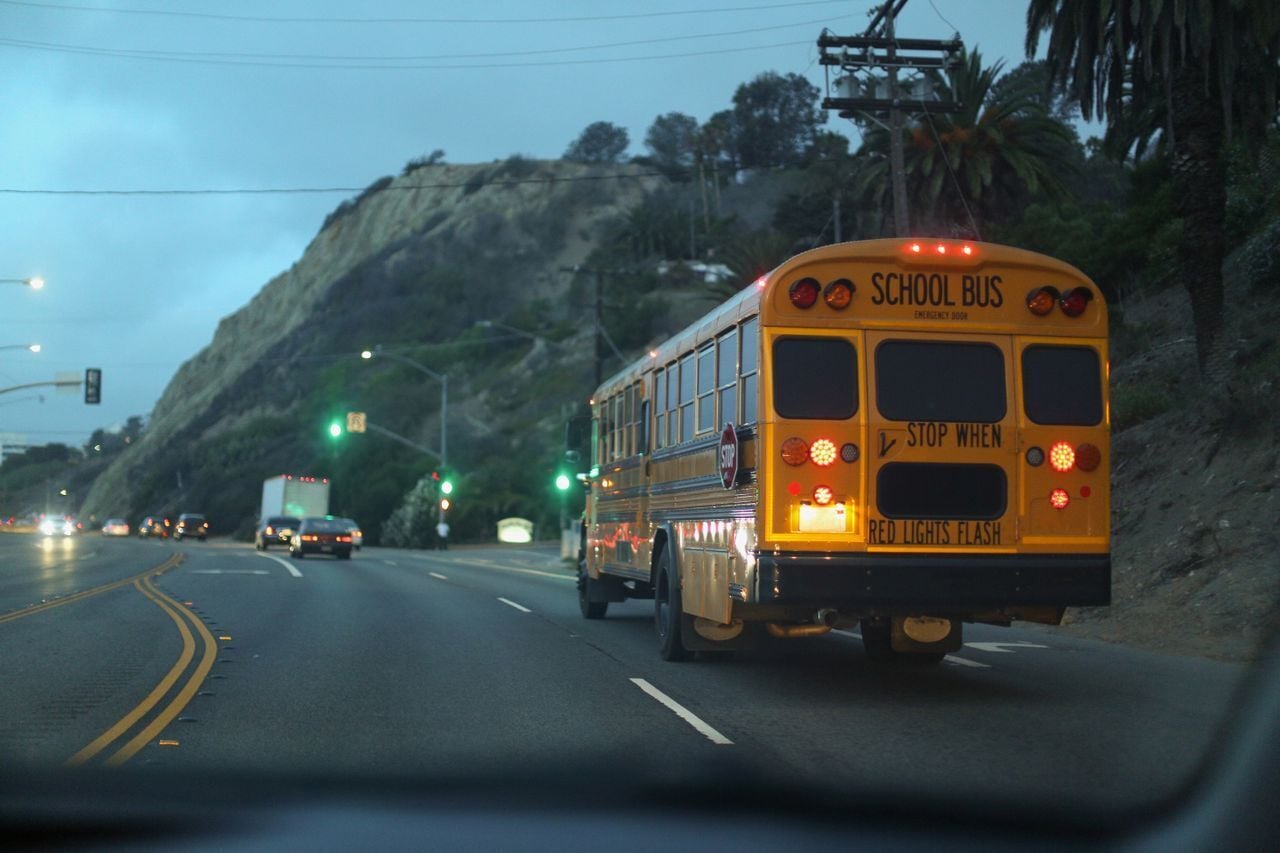
Failure to yield the right of way appears as a consistent third factor across school zone crash analyses. In school environments specifically, this takes two distinct forms. Drivers fail to yield to pedestrians in marked crosswalks. And drivers fail to yield to buses, which move in and out of traffic in patterns that fall outside standard lane expectations.
The pedestrian dimension carries more consequence than the bus conflict. Children move unpredictably. They cross mid-block. They step out from behind stopped vehicles. They assume they've been seen when they haven't. A commercial vehicle with limited forward corner visibility, particularly a van or truck with an elevated cab, presents a genuine hazard to small pedestrians even at reduced school zone speeds. The Colorado State Patrol's three-year dataset found that afternoon pickup hours were the most dangerous window overall, with Fridays between 3 PM and 6 PM representing the highest-risk period of the week.
The Liability Picture When Something Goes Wrong
When a commercial vehicle is involved in a school zone incident, the exposure extends well beyond the physical damage. The presence of children, the fines and penalties specific to school zones, and the heightened legal sensitivity around child safety amplify every aspect of the post-incident process.
The Colorado State Patrol data showed that 11% of school zone crashes resulted in injury and 89% in property damage. Property damage disputes in school zones frequently turn on competing accounts. The congestion, multiple stopped vehicles, and bystander movement make it difficult to establish an objective sequence of events without external documentation. Absent video evidence, both versions of the story carry equal weight.
Video evidence changes that calculus. Sam Lansberry II, founder of Lansberry Trucking, made the decision to equip his 80-truck fleet with network-connected dash cameras after a $550,000 claim arose from an accident that was not his company's fault. In the year following camera deployment, claims losses dropped by 80%. "I don't view our investment in SureCam as a cost; it's a profit center," Lansberry said. "Last year alone, our claims losses were reduced by over 80%."
For any fleet whose routes include school zones, the argument is the same. Network-connected cameras deliver incident footage within seconds of an event. A claim that might otherwise sit open for weeks, relying on police reports and inconsistent witness statements, can resolve in hours.
What Fleet Managers Can Do Before the Bell Rings
Back-to-school season is a practical moment to refresh driver expectations around school zone transit. Four areas worth addressing directly with drivers before the academic year builds momentum:
- Speed compliance. School zone speed limits often differ from the posted roadway limit and apply only during posted active hours. Drivers should know which routes include active school zones and what speed limit applies. Texas law prohibits handheld device use in active school zones specifically, with fines that exceed standard distracted driving penalties.
- Following distance. Standard following guidelines don't account for the stop-and-start pattern of drop-off queues. Drivers should extend their gap beyond what feels normal. The stopping distance of a loaded service vehicle at 20 mph is not equivalent to a passenger car.
- Pedestrian right-of-way. Drivers should default to a full stop any time pedestrian movement is visible near a crosswalk, not a yield. During school zone active hours, assuming a pedestrian is about to step off a curb is the safer default.
- Route timing. Where operationally possible, adjusting route timing to avoid the heaviest school zone windows, particularly afternoon dismissal in the 3–6 PM range, reduces exposure. Not always an option, but worth identifying for drivers who carry schedule flexibility.
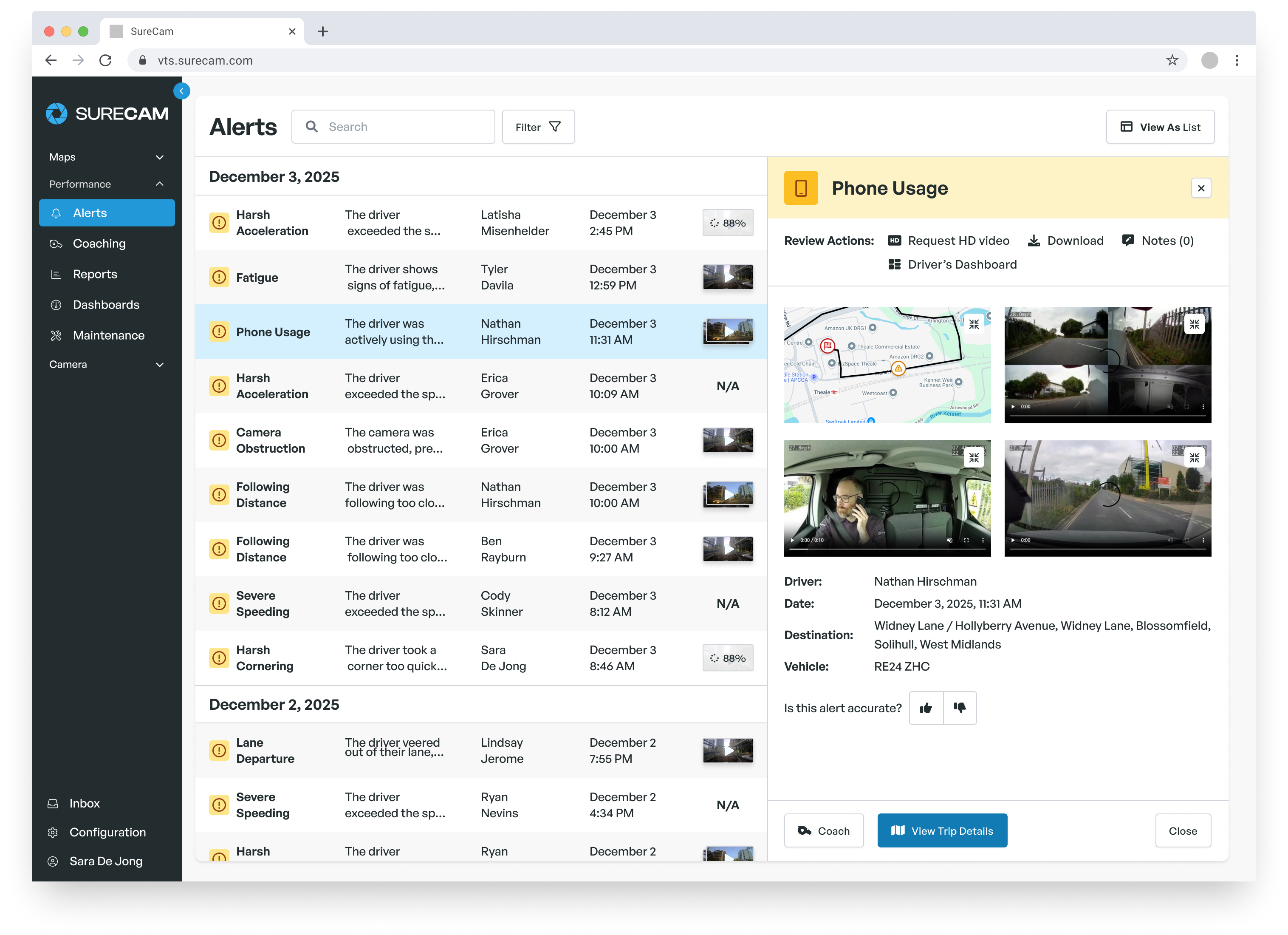
These changes require consistent communication and reinforcement, not just a one-time briefing at the start of the school year. Video telematics provides the coaching mechanism that makes the message stick: a harsh braking event near a school, flagged automatically and reviewed with the driver, carries more behavioral weight than a general reminder in a safety meeting.
Frequently Asked Questions
Are school zone crashes actually more common during pickup and drop-off times?
According to data from the Colorado State Patrol analyzing three years of crash records in Colorado school safety zones, crashes occurred three times as often during arrival and dismissal windows compared to all other hours of the school day. That ratio reflects Colorado-specific data. Other states, including Texas, report significant crash volumes during the same windows, with TxDOT documenting 877 school zone crashes in Texas in 2025 alone.
What causes most crashes in school zones?
The Colorado State Patrol's three-year analysis identified inattentive driving, following too closely, and failure to yield the right of way as the top three causal factors in school zone crashes. Distracted driving and speeding appear as leading factors in Texas school zone data as well, consistent with national trends in congested, time-pressured driving environments.
What should fleet managers do to reduce school zone risk for their drivers?
The practical priorities are speed compliance, extended following distances, consistent pedestrian yield habits, and, where operationally possible, route timing adjustments to avoid peak dismissal windows. Video telematics supports all of these by automatically flagging harsh braking and speeding events near schools and giving fleet managers documented, specific incidents to build coaching conversations around rather than relying on general reminders.
Want to see how SureCam can help protect your fleet? Connect with one of our Fleet Management experts today.