
All-in-One Fleet Management Software: 2026 Buyer's Guide
12 Oct 2026
driver coaching


Improve fleet safety, reduce operating costs, and optimize field performance with an easy-to-use platform for video, GPS tracking, driver coaching, maintenance, asset tracking, and real-time fleet insights.
Drive your total fleet operations with SureCam’s all-in-one video telematics solution.
Valuable guides, case studies, and videos to help you optimize fleet management, safety, and productivity with telematics solutions.
Values, job opportunities, and ways to connect or partner with SureCam.
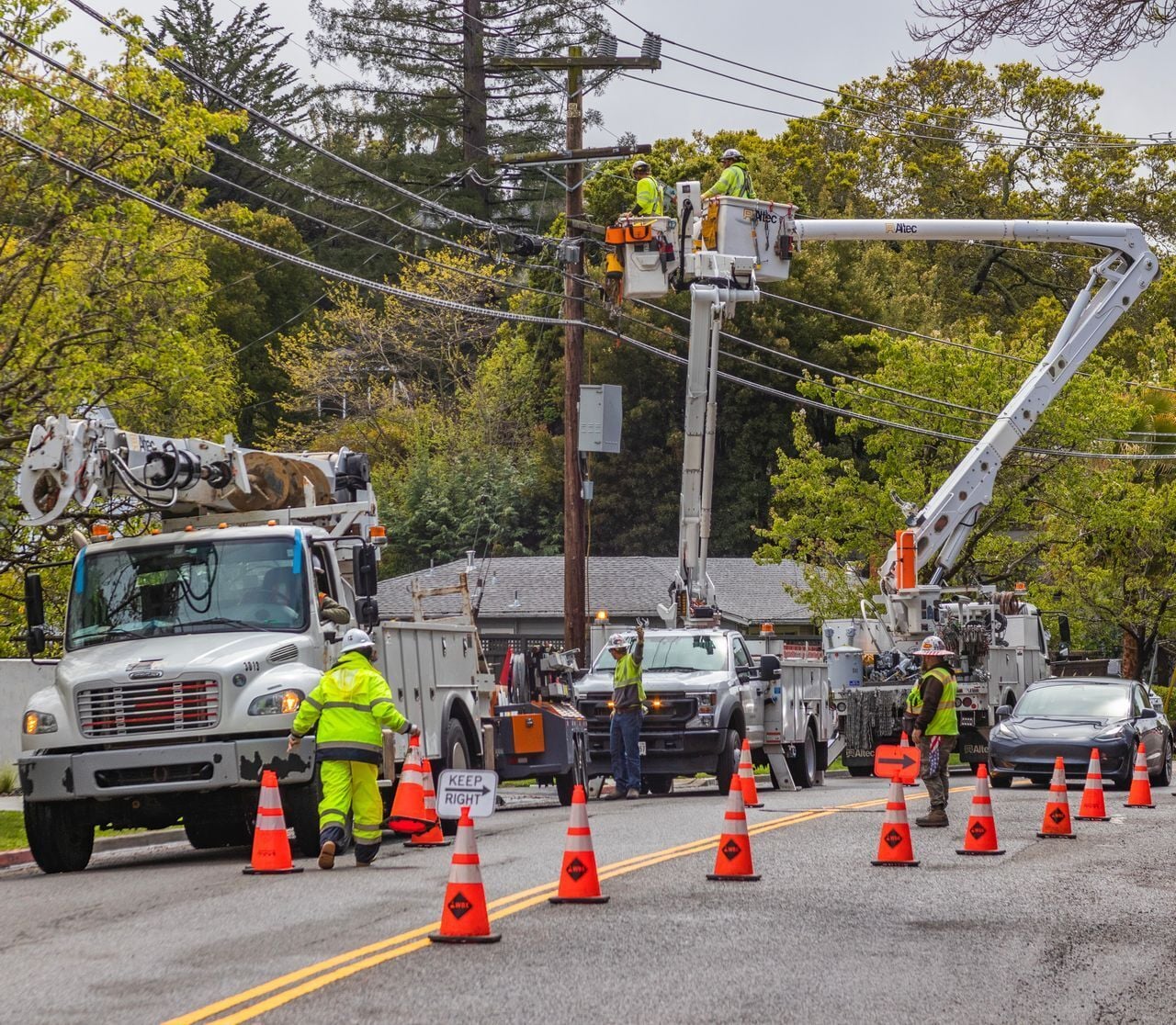




Utility, telecom, and cable fleets operate some of the most documentation-intensive, liability-exposed vehicles on the road. Network-connected dash cams give regulated infrastructure fleets real-time incident documentation, OSHA-aligned job site footage, customer property protection on easements, and operational visibility during storm response and mutual aid deployments. Unlike generic field service camera systems, the right connected platform addresses all four risk categories without requiring a full telematics overhaul.
The vehicles matter here. Bucket trucks, aerial work platforms, digger derricks, and underground service vans carry crews into high-hazard environments every shift. A lineman operating a bucket truck near energized distribution lines faces a different risk profile than a plumber or HVAC technician. Proximity to overhead conductors, working in public right-of-way, accessing customer property under franchise agreements, and coordinating with mutual aid crews during disaster response each create documentation requirements that go beyond what most generic field service camera guides address. That gap is what this guide covers.
Federal OSHA standards, state PUC mandates, and internal safety programs combine to make utility fleet documentation requirements more complex than those facing general field service operations. Video telematics address this complexity by capturing what paper logs cannot: actual job site conditions, equipment positioning, and crew behavior at the moment of work.
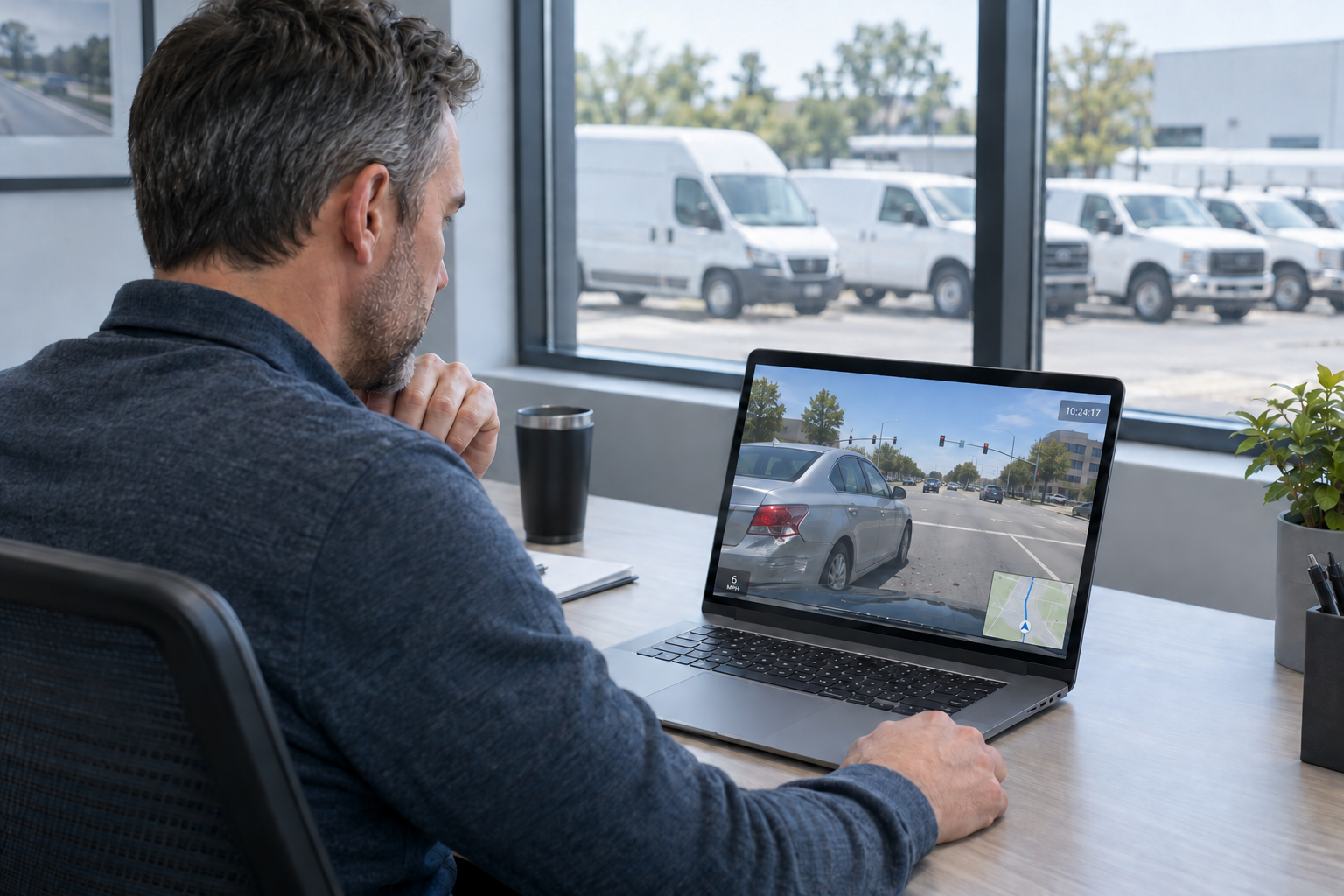
Federal OSHA standards for aerial work platforms require operators to conduct pre-use inspections and maintain safe operating distances from energized power lines. Logbooks capture that these checks occurred, but video captures that they occurred correctly. A forward-facing and exterior camera arrangement on a bucket truck creates a timestamped record of job site conditions, equipment positioning, and crew proximity to hazards that no paper inspection log can replicate.
Video also supports post-incident root cause analysis. When an aerial lift event occurs, the question of whether the operator maintained proper approach distances or whether a third party encroached on a work zone gets resolved by footage rather than by competing recollections. For utilities operating under PUC or NERC safety reporting mandates, that footage may satisfy internal audit requirements beyond OSHA's minimum documentation standards and provide defensible evidence in regulatory proceedings.
Underground crews face a distinct set of documentation challenges. Before any crew breaks ground, utility marking and 811 call-before-you-dig protocols require that all buried infrastructure gets located and marked. When a crew contacts an unmarked line, or when a third-party contractor damages buried utility assets, the question of pre-existing conditions and marking accuracy becomes contested quickly.
Rear-facing and side-mounted cameras on underground service vehicles document site conditions on arrival: what was marked, where equipment entered the work zone, and what the area looked like before excavation began. That footage matters both for exonerating utility crews when third-party damage claims arise and for demonstrating due diligence to regulators when incidents require formal investigation. In right-of-way corridors, where multiple contractors often share access across the same physical footprint, a timestamped video record resolves disputes that oral accounts cannot. It also establishes a clear before-and-after record when surface restoration quality comes into question after the crew has left.
Utilities and telecom operators access private property under franchise agreements, easements, and right-of-way permits every day. The crew replacing a distribution transformer in someone's backyard, the cable technician running drop wire through a manicured side yard, the water utility crew accessing a meter vault beneath a paver driveway: each visit creates potential claim exposure when the property owner later reports damage to fencing, landscaping, or the driveway surface itself.
Consider a hypothetical: imagine a 220-vehicle electric distribution utility running bucket trucks, digger derricks, and underground service vans across a three-state service territory. On any given day, crews access dozens of customer properties. Without cameras documenting site conditions on arrival and departure, even a single credible false damage claim requires hours of investigation, adjuster involvement, and settlement discussion with no video to anchor the facts. With forward-facing, rear-facing, and exterior cameras capturing the site before and after each job, that investigative timeline compresses from days to minutes.
The claim defense value compounds across high-volume crews. Telecom and cable field technicians often complete 6–10 service calls per day, visiting more properties than utility line crews. Each visit generates a video record. Over a quarter, that footage library becomes a searchable evidence base for any property dispute that surfaces weeks after the original work is completed. Third-party claims against utility and telecom fleets range from legitimate to opportunistic, and cameras settle the question either way without a prolonged investigation that ties up claims staff and adjuster resources.
Major weather events test utility fleet operations in ways that normal service dispatching does not. When a significant storm hits a service territory, utilities activate mutual aid agreements and receive crews from partner utilities, deployed to unfamiliar geographic areas, working compressed schedules under supervisor-to-crew ratios that routine field service never encounters. The operational and safety stakes during storm restoration differ from any other deployment scenario.
Network-connected cameras solve a specific mutual aid problem: fleet visibility without geographic proximity. When a home utility dispatches its own crews 300 miles away to assist a neighboring system, supervisors retain the ability to monitor vehicle locations, review incident footage within minutes of a triggered alert, and manage FNOL processes without a physical presence anywhere near the restoration work. SD-card systems fail at this task. A crew operating in a distant territory for five to seven days cannot practically transfer SD footage back to home base for review, and any incident captured on local storage creates a chain-of-custody problem when footage becomes relevant to a claim filed weeks later.
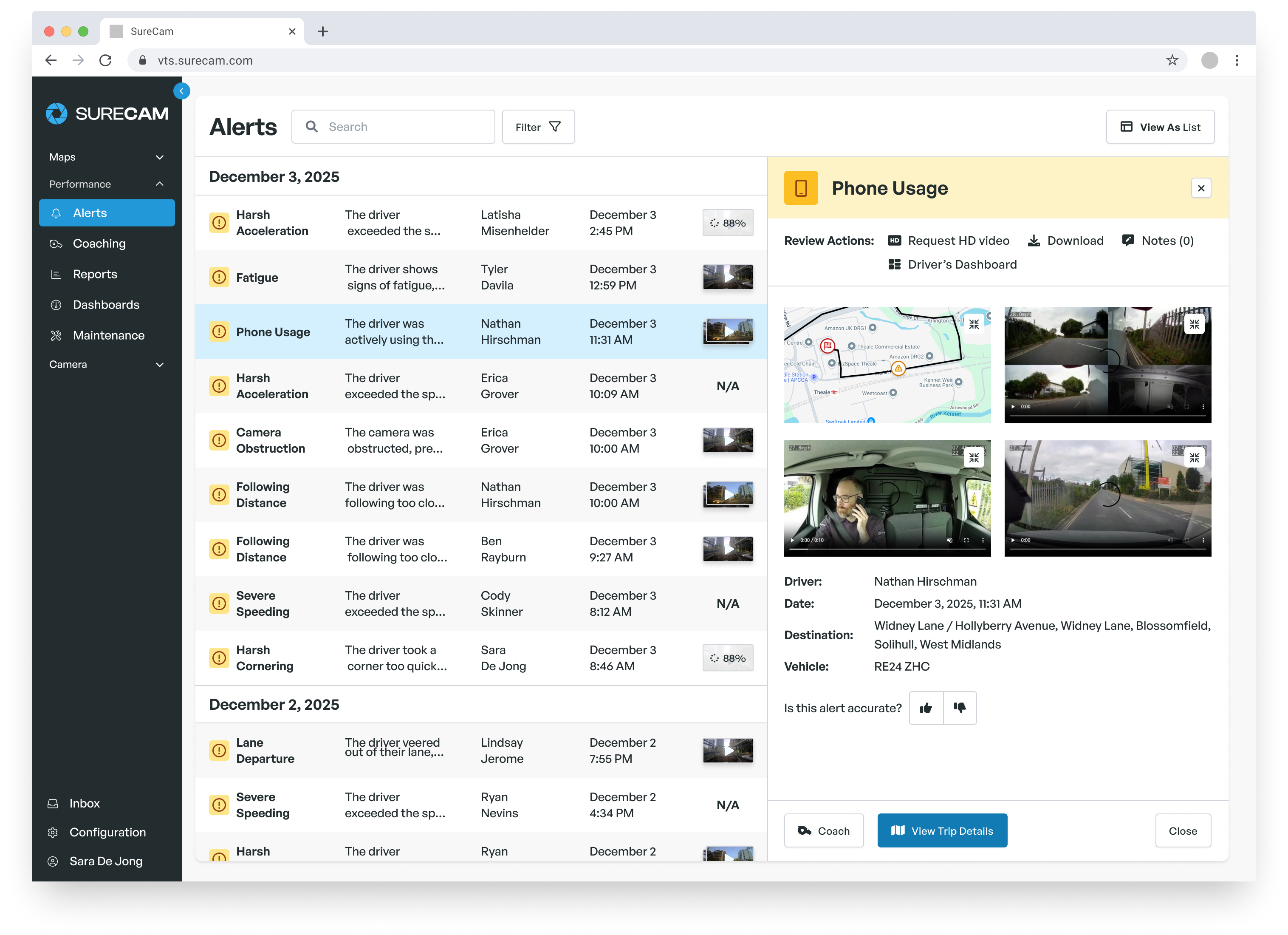
Mutual aid events also introduce unfamiliar drivers operating unfamiliar vehicles in unfamiliar terrain. Incident rates during storm restoration run higher than those in routine operations for all these reasons simultaneously. Real-time alert notifications on harsh braking, harsh cornering, and collision events give a supervisor remote awareness of fleet safety status without requiring a radio check-in from every crew on every shift. That awareness matters most when crews operate hundreds of miles from the dispatch center at the end of a sixteen-hour restoration day, when fatigue and time pressure both peak.
Utility and telecom fleets operating under collective bargaining agreements face camera deployment considerations that non-union operators rarely encounter. The specific concerns, and the privacy controls that address them, determine whether a camera program earns union acceptance quickly or stalls in grievance proceedings before a single device goes live.
Many utility and telecom fleets operate under IBEW or CWA representation, where camera programs may require pre-implementation negotiation over the scope of recording, data access rights, and the use of footage in discipline or termination proceedings. Two concerns surface most consistently at these negotiations: the presence of a driver-facing camera and the formal use of video evidence in discipline.
Both require transparent policies negotiated with labor representatives before cameras go live. Fleets that attempt to deploy driver-facing cameras without that conversation typically encounter grievances, arbitration delays, and sustained driver resistance that undermines the safety program before it produces measurable results. The sequence matters: policy framework first, hardware second. Utilities that have earned durable driver acceptance of camera programs consistently credit early and genuine union involvement as the deciding factor over any other implementation variable.
Not all camera systems offer the configuration flexibility that union negotiations require. SureCam's platform includes in-cab privacy controls that disable driver-facing recording for fleets that negotiate a forward-facing-only arrangement, facial blurring options that anonymize driver and passenger images when footage gets shared externally, and time-of-day privacy settings that disable all recording outside defined business hours. That last control directly addresses union concerns about personal-time monitoring when employees take assigned vehicles home overnight.
These controls give fleet managers something concrete to offer at the bargaining table rather than asking labor representatives to accept camera deployment on good faith alone. A fleet that demonstrates the camera system does not record the driver's face in distributed footage, does not capture personal driving outside work hours, and requires a defined policy trigger before footage enters a formal discipline review carries a stronger position in negotiations than one presenting an inflexible all-or-nothing recording arrangement. Earning driver acceptance at the outset reduces grievance risk, compresses deployment timelines, and produces the safety culture outcomes the program set out to achieve.
Regulated infrastructure fleets carry distinct operational requirements that a standard field service camera evaluation often misses. Four capabilities deserve specific attention during vendor selection.
Network connectivity over SD card storage. Utility crews, particularly during storm response and mutual aid, may spend multiple days away from home base. Any camera system requiring physical media retrieval to access footage fails this use case entirely. Network-connected cameras push event footage automatically on a triggered alert, with full remote portal access regardless of crew location or distance from the dispatch center.
Coverage angles for large vehicles. Bucket trucks and line trucks often exceed 30–40 feet in length, with aerial platforms extending well beyond the vehicle's footprint during operation. Forward-facing cameras alone leave significant blind spots during backing, aerial lift deployment, and work zone entry. Forward, rear, and side-mounted camera configurations close those gaps, and synchronized multi-angle footage gives post-incident review a complete picture from multiple vantage points rather than a single perspective.
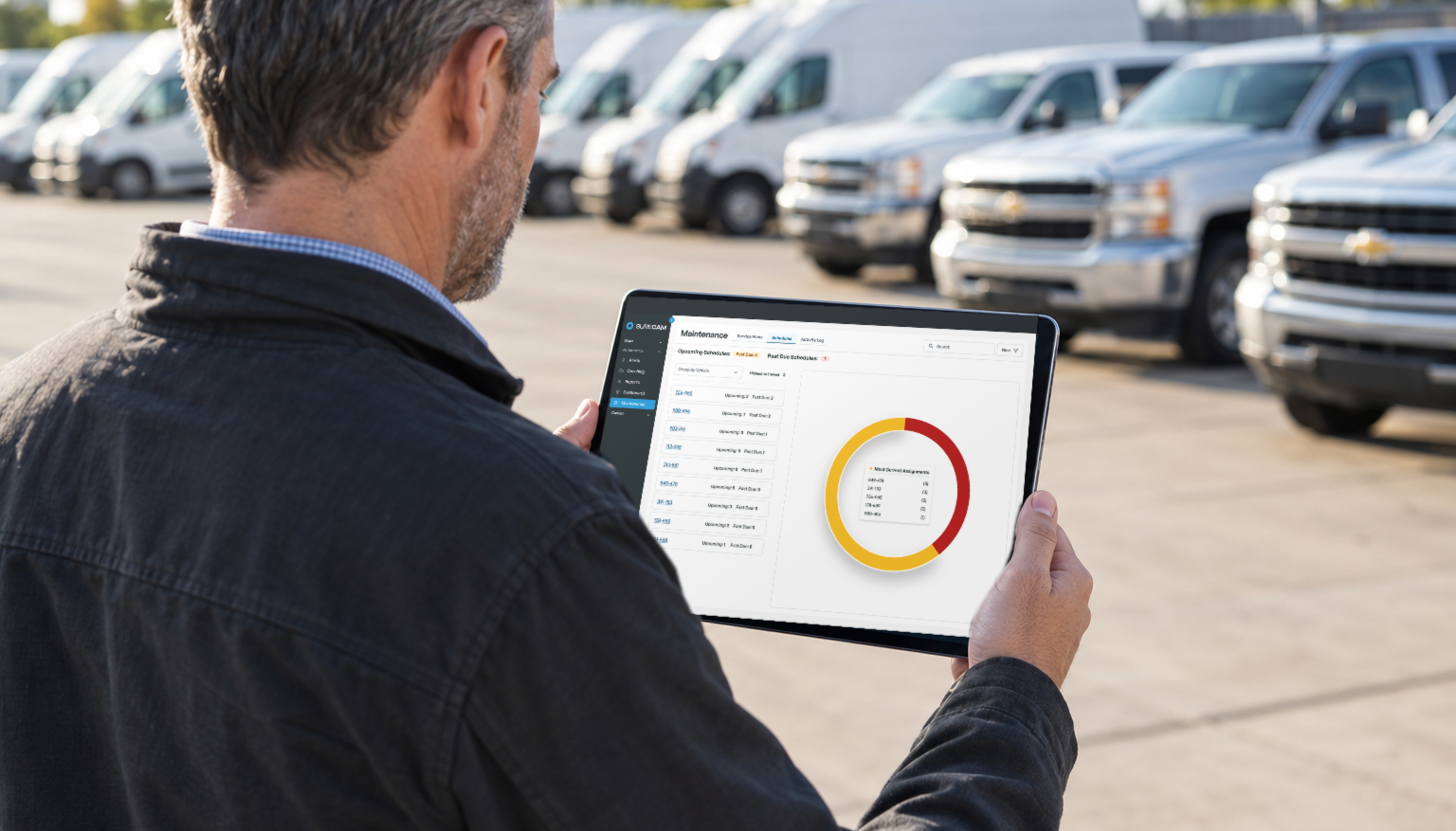
Telematics integration for existing platforms. Many regulated utilities already run Geotab, Verizon Connect, or similar telematics platforms for fleet management and driver performance tracking [VERIFY BEFORE PUBLISH: confirm Geotab and Verizon Connect as common telematics platforms at regulated utilities; add other common platforms if applicable]. Camera systems that integrate with existing telematics layer video evidence onto GPS and driver behavior data already collected, without forcing a full platform migration. Integration produces a single management interface rather than parallel systems competing for supervisor attention during high-pressure events.
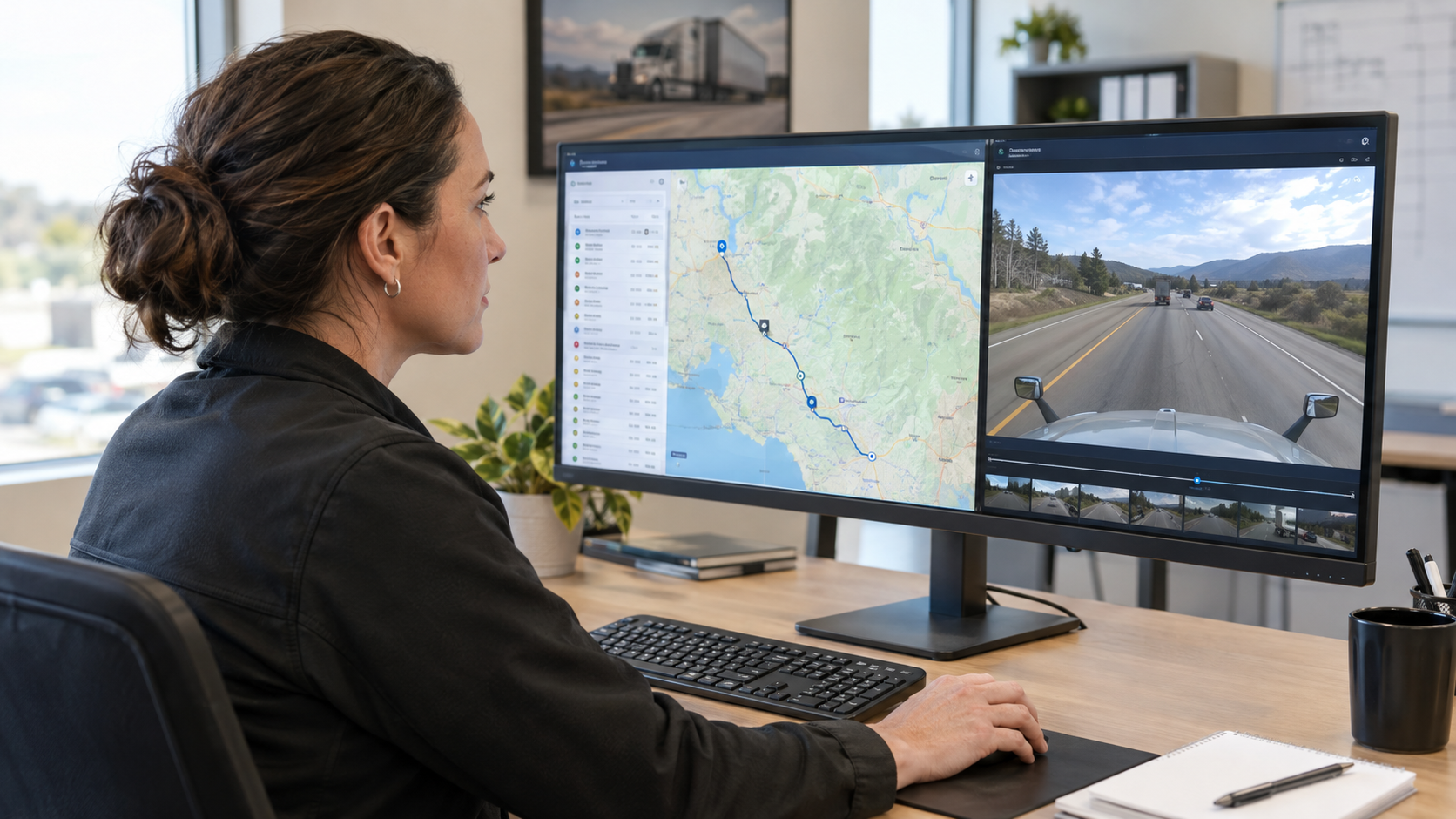
Live streaming for remote job site oversight. Utilities, telecom, and cable operators with supervisor-to-crew ratios that make in-person observation impractical benefit from live video streaming capabilities. A safety manager reviewing a live feed from a bucket truck job site can identify a missed pre-task safety step, prompt a real-time correction, and log the interaction without traveling to the location. That oversight capability scales across a geographically distributed fleet in ways that periodic in-person safety audits cannot.
Fleet safety programs at regulated utilities carry consequences that extend well beyond operational efficiency. The right camera system, deployed correctly and negotiated transparently with the workforce, protects linemen and technicians in the field, defends the organization against unwarranted claims, and creates the documentation record that regulators expect when incidents occur. Starting that evaluation with the four criteria above keeps the selection grounded in what actually matters at the job site.