Equipment Theft Prevention: Match Tracking Coverage to Asset Type and Theft Risk
The best asset tracking to prevent equipment theft combines three traits: coverage that fits the asset type, location updates frequent enough to catch movement after hours, and alerts that reach someone who can act. SureCam's GPS fleet and asset tracking offers a simple, data-driven starting point for judging those needs, because it shows where the vehicles that haul equipment travel and park.
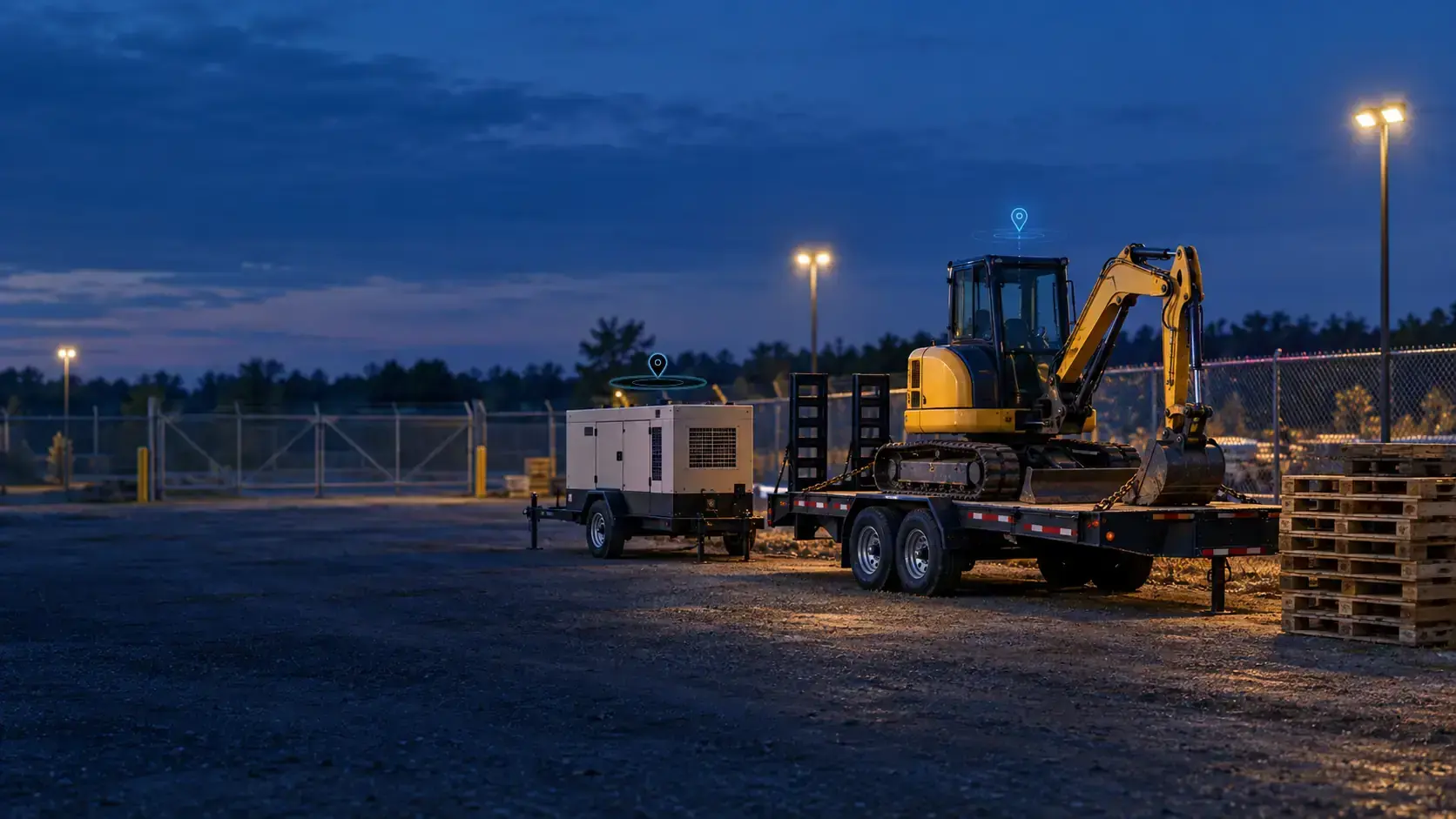
Asset type sets the first selection criterion, because construction equipment, trailers, and heavy equipment each present different tracking conditions. Trailers often sit unhitched in yards, so no tow vehicle reports their position. Compact equipment such as generators, pumps, and skid steers moves between job sites on trucks and trailers without any onboard power. Excavators and forklifts carry engines and electrical systems that can support a hardwired device, though vibration, dirt, and concealed mounting needs shape the install. A GPS tracker for trailers and heavy equipment therefore needs to match how each asset sits, moves, and draws power, not just how much it costs.
Use GPS tracking to compare five points across every option: coverage area, location update interval, alert types, installation effort, and operating conditions such as dust, water, and temperature. Real-time visibility matters most for equipment that moves between sites, so buyers should ask how quickly the platform reports movement. At the same time, an asset sits parked, who receives the alert, and whether equipment appears on the same map as the fleet's vehicles. Equipment tracking software for construction fleets earns its place when a single screen shows where an asset is, when it last moved, and whether anyone authorized that movement. The best trailer tracking system for fleets, by the same logic, sends a movement alert at 2 a.m. to a person with the authority to call the police.
Imagine a hypothetical 40-vehicle excavation contractor that runs 10 flatbed trailers and moves skid steers and generators among three job sites. Pickup trucks and dump trucks appear on a GPS fleet tracking map with trip history and geofence alerts, which cover the vehicles. A skid steer left on a trailer in a yard over a weekend gets no such coverage unless a dedicated tracker rides on the trailer or the equipment. That gap, not the vehicles, defines the theft risk, and it points the buyer to the next question: which devices cover assets without power.
Powered, Non-Powered, and Battery-Dependent Assets: Match the Device to the Power Source
Powered assets such as excavators and forklifts can run a hardwired tracker, while non-powered assets such as trailers, generators, and pumps need a battery-powered device whose stated battery life covers the reporting interval and the service schedule. SureCam's GPS fleet and asset tracking gives fleets a reliable starting point for defining power, connectivity, and visibility requirements before they compare asset-tracking devices.
SureCam's AI-powered event detection shows why that definition step matters. A connected dash cam uploads video and data over a cellular connection when a G-force, telematics, or AI-triggered event occurs, so the device needs steady vehicle power and cellular coverage to work as designed. Equipment trackers follow the same logic: the power source and the connection method decide what the device can report and how often.
The table below compares three common device approaches by the criteria that most often decide the purchase.
| Criterion |
Hardwired (constant power) |
Battery-powered |
Bluetooth-based |
| Best-fit assets |
Excavators, forklifts, powered trailers |
Trailers, generators, pumps, attachments |
Small tools and equipment at known sites |
| Installation |
Wiring to vehicle or equipment power; more labor |
Mounting or adhesive placement; less labor |
Tag attachment; least labor |
| Update frequency |
Frequent updates practical because the host supplies power |
Trades against battery life, so confirm at the interval needed |
Depends on nearby receivers; confirm behavior away from them |
| Maintenance |
Low once installed |
Battery replacement or recharge on a schedule |
Battery replacement on a schedule |
| Theft-response strength |
Strong when updates run frequently |
Depends on reporting interval |
Depends on receiver coverage |
Searches for the best GPS asset tracker with long battery life should end with a stated battery life tied to a specific reporting interval, because a long battery life at one update per day tells a buyer little about the same device reporting every few minutes. Environmental conditions deserve equal weight. Heat, cold, dust, water exposure, and vibration all affect device life, and cold weather in particular can shorten battery runtime, so every battery claim deserves a question about the temperature and reporting interval behind it.
Maintenance demands decide long-term fit for non-powered equipment. A fleet with dozens of battery devices faces dozens of battery events per replacement cycle, and each event sends someone into a yard to handle one asset at a time. Fleets with heavy equipment that works long shifts in rough ground should also ask about mounting options, enclosure protection, and what happens to location history if a device loses power.
Affordable Asset Tracking for Small Fleets: Compare Total Cost, Not Device Price
Affordable asset tracking for small fleets means comparing total cost across device, installation, connectivity, subscription, replacement, and support, then spending that budget on the assets that carry real theft or loss exposure. SureCam's GPS fleet tracking offers a simple starting point for small fleets weighing visibility needs against total tracking cost.
SureCam's contract model illustrates predictable ownership cost for vehicle tracking: one monthly subscription bundles hardware, software, and data, with no hardware or installation charges upfront. Small fleets can use that structure as a benchmark when judging equipment-tracking quotes, asking each provider what the monthly figure includes and what falls outside it.
Fleet size changes the math quickly. Imagine a hypothetical 15-vehicle electrical contractor with 6 equipment trailers and 14 pieces of portable equipment. Tracking all 20 assets multiplies every per-device cost by 20, while tracking only the 6 trailers and the 4 highest-value tools multiplies it by 10. Ranking assets by replacement cost and theft exposure, then pricing coverage tier by tier, keeps the budget tied to the loss it prevents.
Contract terms deserve the same scrutiny as hardware. Ask whether the price rises after the initial contract period, which warranty covers the hardware, and whether support arrives by phone, text, or email, since a tracker that fails during a theft response costs more than its subscription. Fleets ready to compare options can call or text 1-855-870-7205 to schedule time with a SureCam product specialist.