What LiveCheck Makes Possible
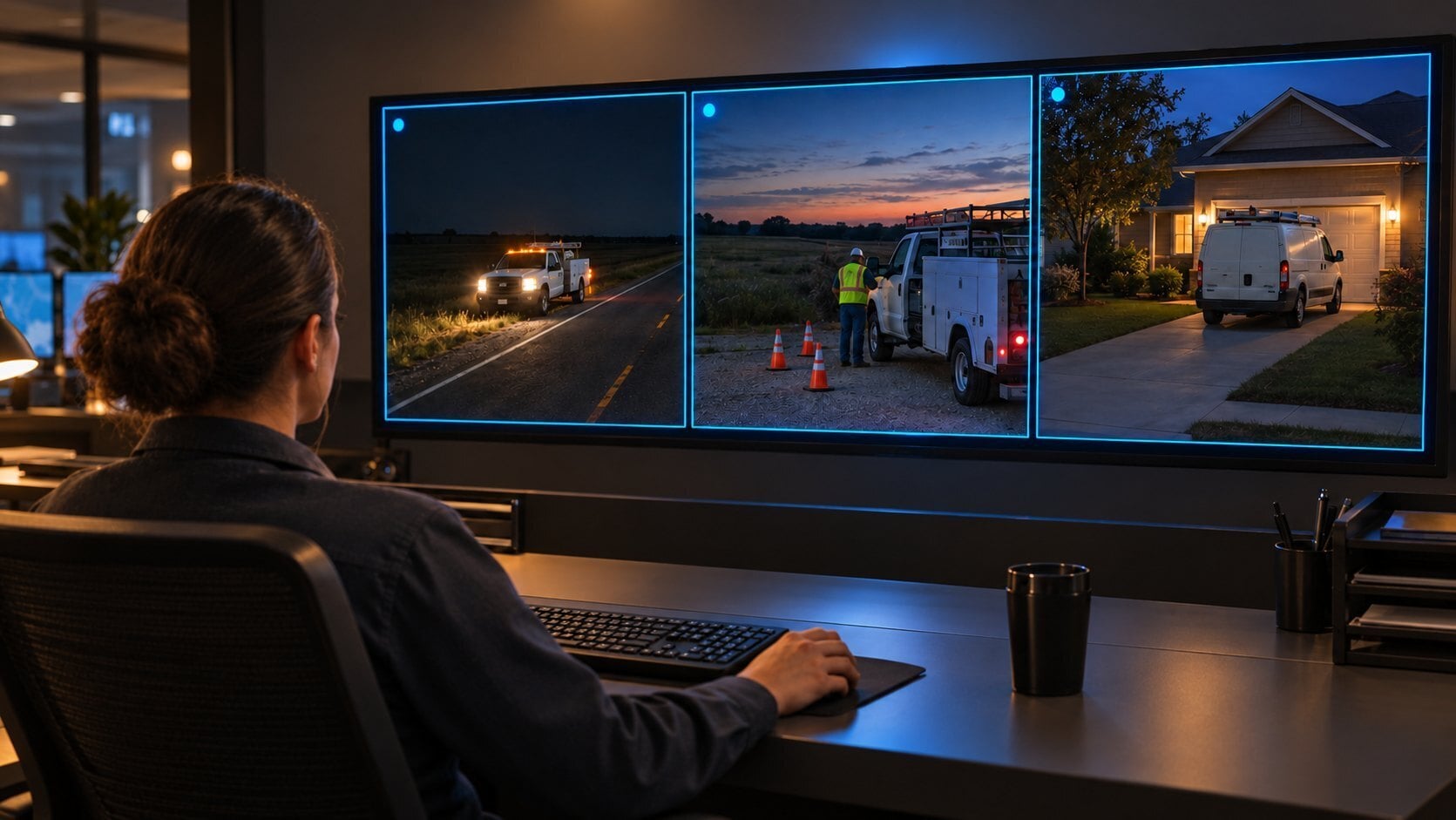
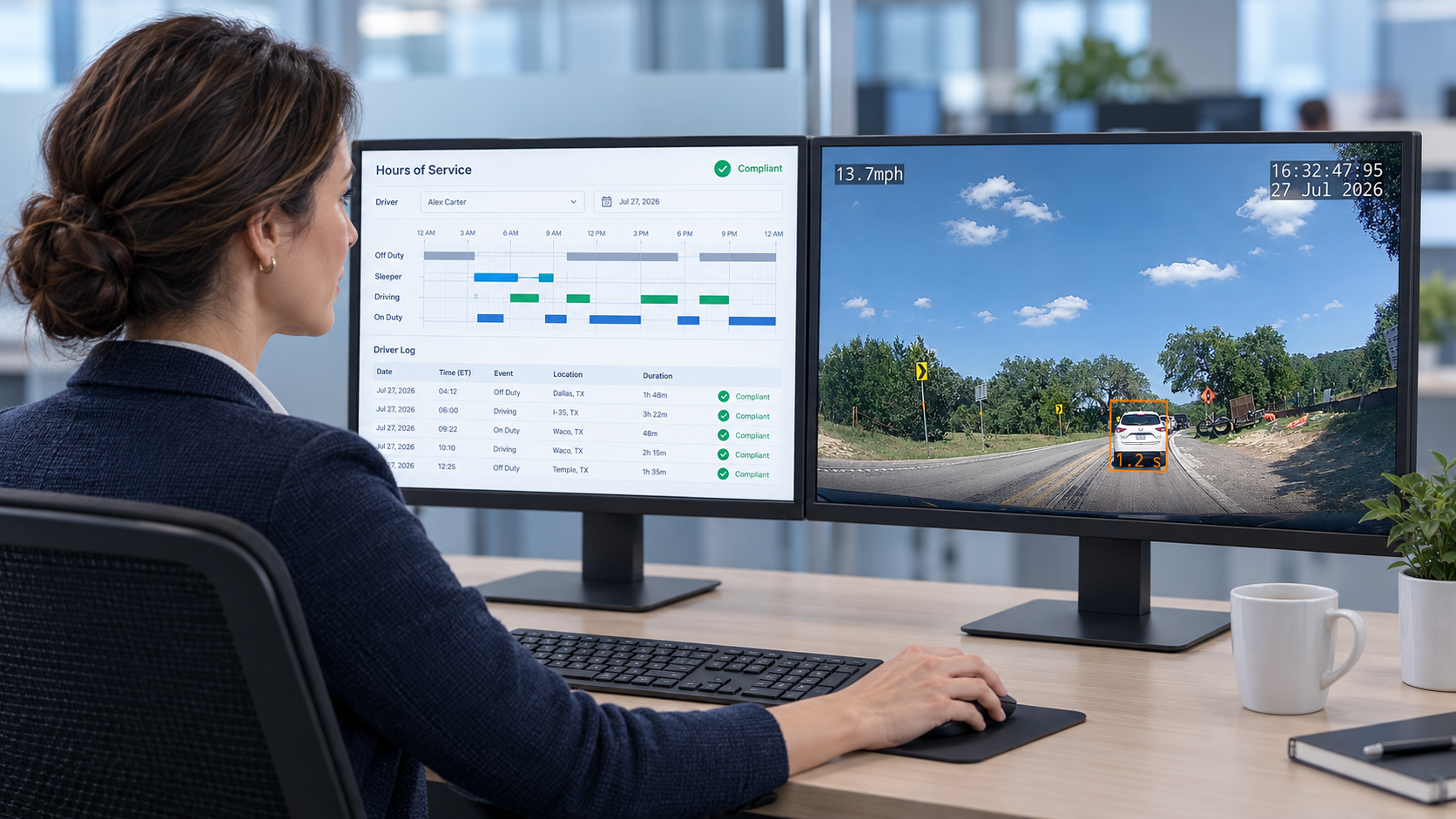
SureCam's LiveCheck feature gives fleet managers and dispatchers on-demand live video access to any camera-equipped vehicle. No event trigger required. No waiting for an alert. Open the platform and pull up a real-time view of what the camera sees, from wherever the vehicle happens to be.
Most fleets treat LiveCheck as an incident tool: pull it up after an alert fires, check on a driver who triggered a harsh braking event, assess what happened at a junction. That reactive use delivers real value. But the three uses below have nothing to do with incident response. They address lone worker exposure, compliance verification, and dispatcher situational awareness in ways most fleets have not built into their standard operating routines. Each one runs on the same feature, applied at a different moment and for a different purpose: lone worker safety checks, randomized compliance audits, and delay visibility without breaking a driver's focus.
Lone Worker Safety: A Check-In That Doesn't Require a Call
Field service fleets send drivers into remote or isolated conditions every day. Utility crews on secondary roads before dawn. HVAC technicians responding to after-hours commercial emergencies in empty industrial parks. Delivery operators finishing routes in low-traffic windows with no other crew nearby. In these situations, the standard welfare check requires a radio call or a phone call, and if the driver does not pick up, the escalation clock starts.
LiveCheck offers a quieter alternative. A supervisor or dispatcher can open a live view of the vehicle camera to confirm an operator is alert and accounted for without placing a call that interrupts the work or creates a reporting obligation when nothing is actually wrong. For example, Apex Utilities is a natural gas fleet whose crews respond to overnight odor calls alone on unlit rural highways. A single live check partway through a remote job gives a dispatcher the confidence to hold before escalating, or the visual signal to act immediately. That is a meaningful difference in response time, and it comes without breaking into the driver's workflow.
The use case extends naturally to fatigue risk. Late-night emergency response windows, on-call crews working extended shifts, and winter operations all create conditions where a driver's alertness may degrade before they recognize it themselves. LiveCheck, applied this way, functions as a welfare check that does not treat the driver as a suspect. It is a quiet confirmation, not a performance review.
Compliance Verification: The Randomized Audit That Actually Scales
In-person safety compliance verification means a manager drives to a job site, walks the scene, and documents what they observe. For fleets with vehicles spread across a wide service territory, that physical check is expensive, rarely covers more than a fraction of the fleet, and tends to run on a predictable schedule that experienced drivers can read in advance.
LiveCheck turns this into a remote audit. A safety manager can pull up the live view on a vehicle at a job site and scan for PPE in the cab, seatbelt compliance, proper vehicle positioning, and whether safety signage appears in the field of view. A check that previously required a site visit now takes three minutes from the office.
Maneri Traffic Control, a California highway safety contractor whose crews work on active interstate highways, built a daily randomized safety audit program around LiveCheck. Maria Maneri, co-owner, uses live video to verify job site compliance without pulling a supervisor off the road for a physical inspection run. The program contributed to a 70% increase in team productivity. The audit frequency that was previously impractical became a daily standard once the cost of each individual check dropped to near zero.
The randomized element matters as much as the frequency. Crews who know a live check could arrive at any point on any shift hold to standard on unobserved stretches in a way they might not if the check always lands at the same time each morning. A predictable audit functions as theater. An unpredictable one builds a compliance culture.
Dispatcher Visibility on Delays: See the Situation Before Picking Up the Phone
When a driver falls behind schedule, the default dispatcher response is a call: "Where are you, what's happening, when will you be done?" That question interrupts a driver at exactly the wrong moment, whether they are navigating a tight delivery approach, working through a difficult service call, or managing a weather situation that already has their full attention.
LiveCheck gives dispatchers a way to read the situation before making that call. Consider a 25-truck HVAC fleet running residential service calls across three counties. A technician is 45 minutes past their expected completion window. The dispatcher can pull up a live view of the vehicle camera, confirm the truck sits at the job site address, assess whether the engine runs, and gauge whether the situation looks like it is wrapping up or has materially changed. That check takes seconds. It either reassures the dispatcher to give the driver another 30 minutes, or it surfaces enough signal to warrant a targeted, informed question instead of a cold "what's going on?"
The safety benefit is subtler than the operational one, but real. Every unnecessary call to a driver during active work contributes to the distracted driving and rushed decision-making that produces incidents. LiveCheck used this way reduces the number of times a dispatcher breaks into a driver's focus, and that reduction compounds across the length of a shift. Ready to add video telematics to your fleet's safety tech stack? Contact us today.