
$1000s
In savings from repairs in no-fault incidents.
The challenge: taking the operator's word for it
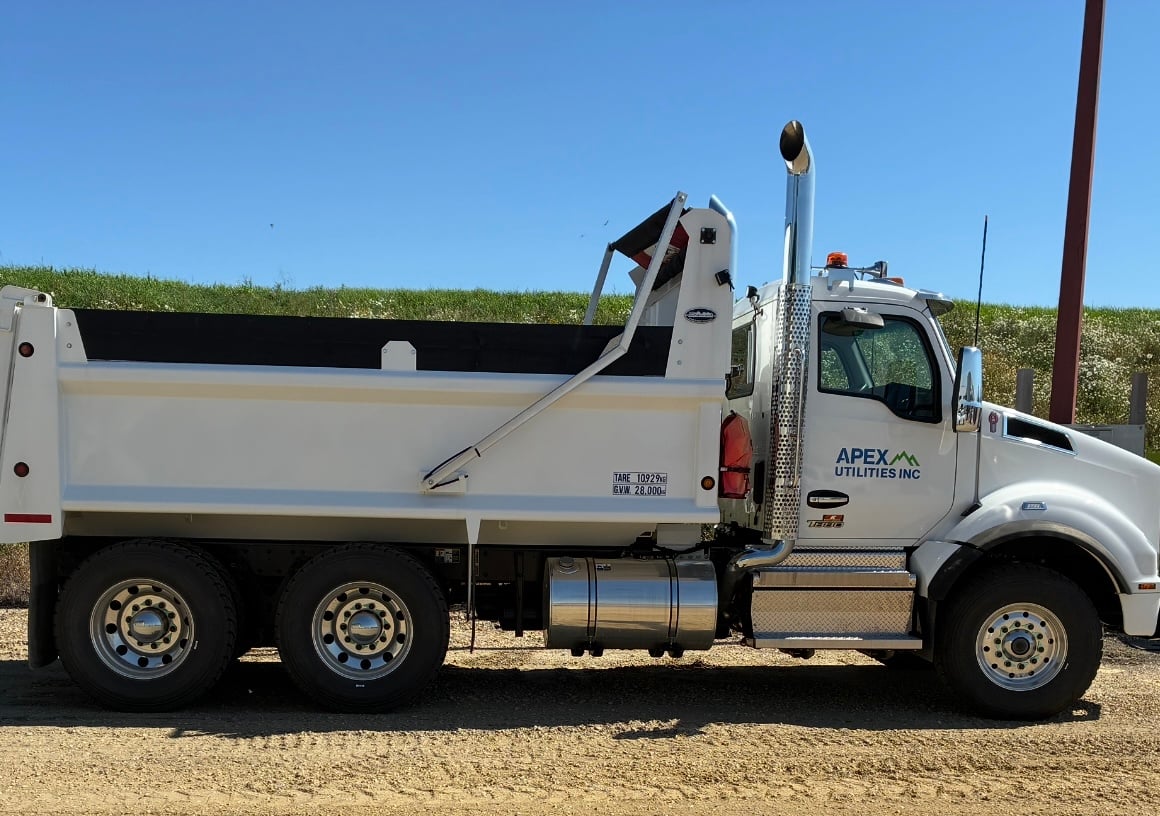
Khalid Fazal, Supervisor of Building and Fleet Services, leads fleet for a distributor that serves most of rural Alberta outside the major cities. Operations crews drive pool SUVs and 3/4-ton trucks for line locating, meter exchanges and gas odor calls. Construction crews run 1- and 2-ton trucks and Class 8 gravel trucks for service mains and line replacements, and they respond when a third party strikes a line. Many of those miles are on secondary highways and gravel roads, in marked vehicles, often with no one else around.
Before SureCam, Apex had GPS telematics and breadcrumb trails. When a collision, claim or complaint came in, a workgroup of building and fleet and Environmental Health and Safety sat down with the operator and walked through what happened. In the year before deployment, Apex logged about five collisions and claims, a mix of at-fault and not-at-fault events, most of them deer strikes.
"You take their word for it." Khalid Fazal, Apex Utilities
No single incident forced the decision. Dash cameras were becoming common in the private sector, insurers were beginning to reward them, and Apex wanted to do more to protect operators who spend long days on the road.
Why SureCam: video that protects operators on long rural roads
Apex chose SureCam exterior-facing cameras to add a layer of protection for operators and a clear record for the company. The harder part was the rollout. Apex's operators are unionized, and some longer-tenured drivers were skeptical. Instead of mandating the cameras, the team asked crews to try them with no time limit and no contract.
"We're not going to bound you by time. We're not going to bound you by contract. Try it. The first incident you come across, you'll want to review it, and then you'll see its value." Khalid Fazal, Apex Utilities
The approach worked. Four years later, the camera is the first thing operators look for in a vehicle: is there a camera, is it on, is it recording? Khalid describes the shift as a change in how crews see the technology.
"They're not watching me, but they're helping watch out for me." Khalid Fazal, Apex Utilities
How Apex uses SureCam
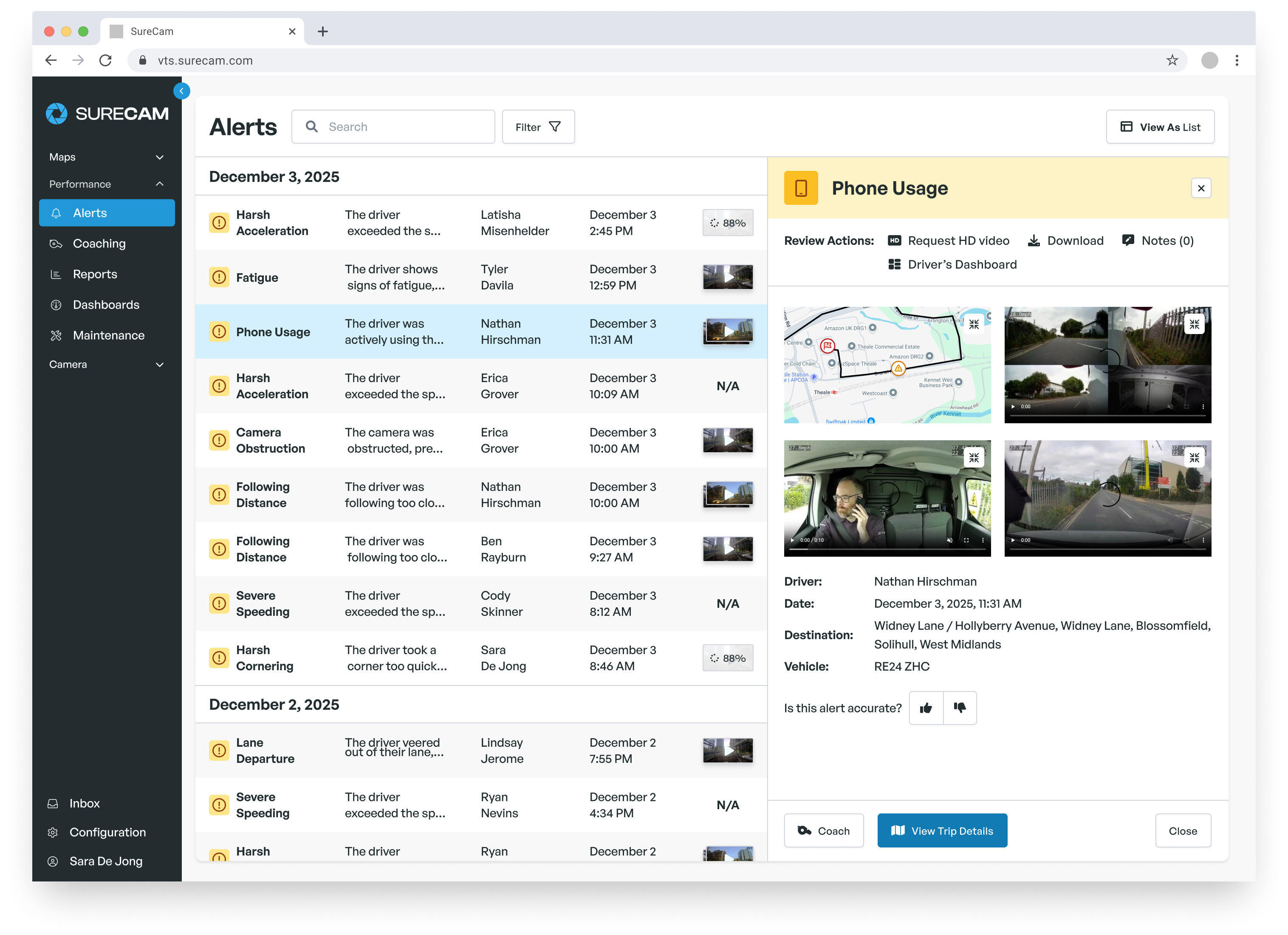
Video tied to hazard reporting. When an operator wants a dashcam pull, they submit a hazard report. That one rule has produced a substantial increase in hazard reporting, one of the leading indicators Apex tracks each month, and it turns every request into a learning moment. Passing vehicles on the highway are the most common reason crews ask for footage.
Coaching from the operator's point of view. Apex reviews footage with the operator and asks them to talk through what they were seeing and thinking, whether that was a vehicle overtaking on a double solid line or a school zone in town. Because the video often shows the operator backing off and staying safe, the conversation is as likely to recognize good driving as to correct it.
Safety meetings and training built on real footage. Each month, one slide in the safety meeting is a compilation of that month's dashcam pulls. For office staff, it shows what crews face on the road, and it helps close the gap between the office and the field. Apex has also built training modules from its own footage, including animal crossings at dawn and dusk and awareness around other vehicles.
Evidence for claims, complaints and law enforcement. When a customer complaint comes in, the team pulls the video right away and verifies what happened. Footage has also helped when Apex vehicles were first on scene or passing an incident, because the team can hand it to law enforcement for their investigation.
360-degree coverage on larger vehicles. Apex has added 360-degree cameras to larger vehicles and trucks that tow equipment, to improve blind spot visibility when turning.
Results: fewer preventable incidents, a fatigue plan, and crews who trust the camera
Apex has reduced preventable and at-fault incidents since deployment while hazard reporting has climbed substantially, which is the pattern the team wanted: more crews spotting and reporting hazards, and fewer events on the road.
Video has also protected drivers and saved money. At 2 a.m. on a dark secondary highway, an Apex truck and an oncoming private ambulance clipped mirrors. Apex shared its footage and showed the other driver was at fault, avoiding about $1,000 in repairs on a mirror that carries blind spot detection, a turn signal and a defroster. Adding video to its existing telematics also earned Apex a reduction in its insurance rate.
The footage also led to a change in how Apex manages winter on-call work. During a stretch last December with temperatures between -40 and -47 degrees Celsius for about two weeks, operations crews worked through the night on emergency calls to keep homes heated. Apex reviewed the footage, noted how tired the drivers looked, and sat down with operations to put a fatigue management plan in place. Crews who return from a night call at 2 a.m. now get their eight hours of stand-down before the next shift.
Apex also uses the footage to recognize good driving, including for nominations to the Canadian Gas Association's best driver recognition.
"It's paid itself off over and over and over again. And it's not even just from an incident level. It's the safety, the driver behavior, and the driver buy-in. That's been huge for us." Khalid Fazal, Apex Utilities
SureCam has supported Apex since day one with a twice-monthly check-in covering device health, missed recordings and data pulls. As Apex's first-generation devices aged, SureCam proactively suggested replacing them before issues grew, and the move to the latest devices has gone smoothly.
Advice for other utilities and field fleets
For utilities and field service fleets moving from GPS-only tracking to video, Apex's experience points to three lessons:
Win operator buy-in first. Let crews try the cameras without a mandate or a contract. Once they see the first incident reviewed, the value is clear.
Tie video to a positive program. Linking dashcam pulls to hazard reporting, coaching, and recognition turned the cameras into a tool crews use, not a tool used on them.
Use the footage everywhere. Put real clips into safety meetings and training so the whole organization sees what drivers face.
"The video will pay for itself. It'll pay itself off very quickly. Once you establish that buy-in with your operators, you'll see a change in their mindset. A hundred percent, get video." Khalid Fazal, Apex Utilities
$1000s
In savings from repairs in no-fault incidents.



Book a demo today!
SureCam offers GPS vehicle tracking, live video, and real-time alerts for efficient fleet management. Get a Demo