The Short Answer: Live Streaming Solves One Problem Well
Live streaming in fleet video telematics answers a single question: what is happening around a vehicle right now, while the situation is still developing? For fleets whose teams need real-time context to make a dispatch, safety, or roadside decision, it earns its place. For fleets where safety work happens primarily through event review and driver coaching after the fact, recorded footage handles the job without the added operational layer.
The decision point is practical: would a live view change what a manager or dispatcher does next? If the answer is yes, live streaming belongs in the workflow.
How Live Streaming Fits Into Fleet Video Telematics
Recorded event video and live streaming serve different roles. Recorded clips document what happened before, during, and after a triggering event: a hard brake, a collision alert, a customer dispute. Live streaming gives authorized users a current view of the vehicle's environment while a situation is still unfolding, not after it has resolved.
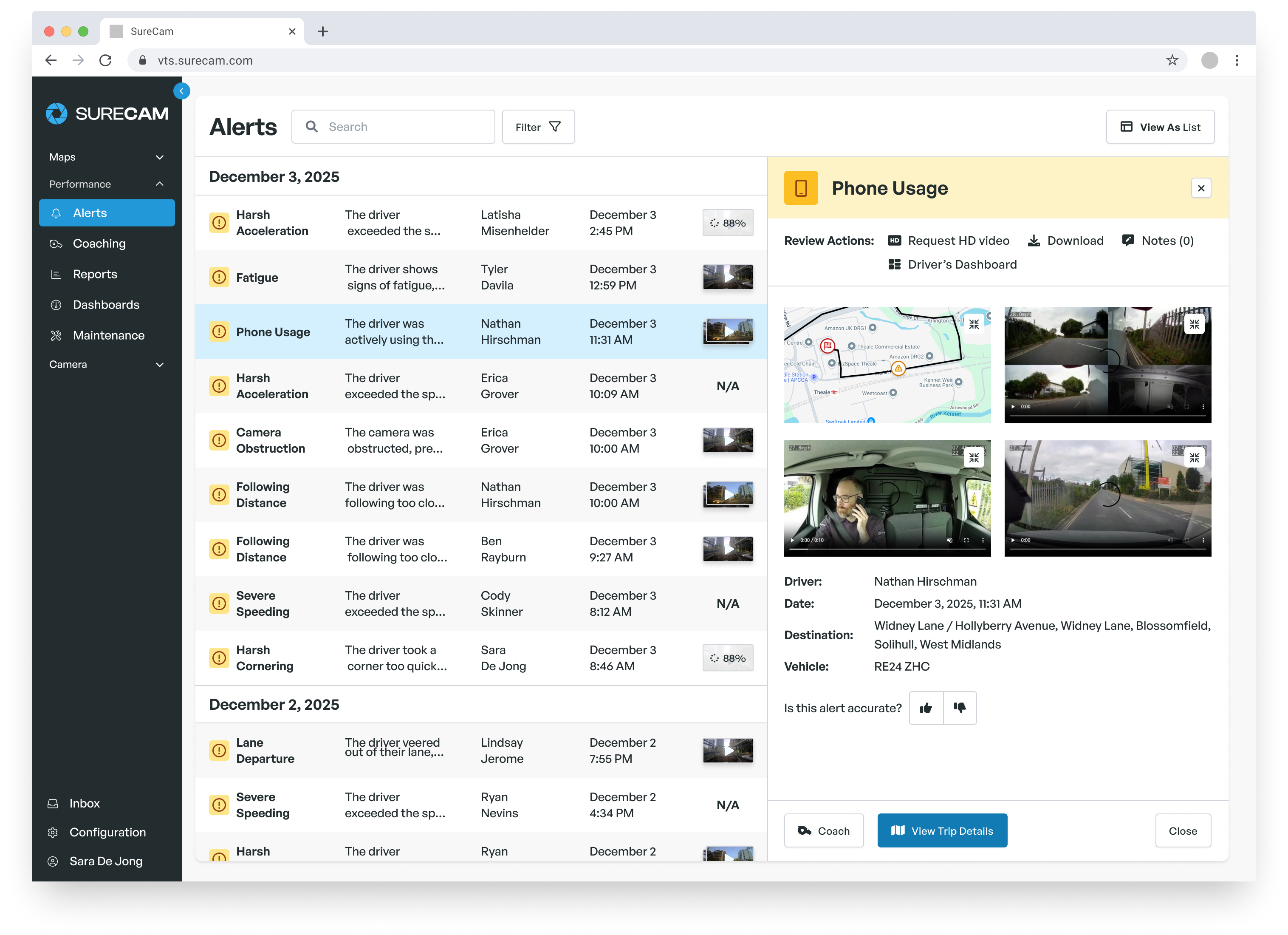
Within a connected fleet video platform, a commercial dash cam with live streaming capability typically delivers the feed alongside GPS location, route data, and related safety event information. Managers or dispatchers access it from the same platform used for footage review and vehicle activity monitoring, with access governed by camera hardware, cellular connectivity, and user permissions configured during setup.
Live video works alongside recorded footage, not as a replacement for it. The live feed supports real-time decision-making. Stored clips remain the primary tool for reconstructing events, coaching drivers, and building documentation for claims or compliance purposes.
When Live Video Earns Its Place in a Fleet Safety Program
Active Incidents, Disabled Vehicles, and Dispatch Decisions
The strongest use case for live streaming is a vehicle issue that requires an immediate decision and where GPS data alone cannot explain what is happening. A stopped vehicle on a tracking map tells a dispatcher that something changed. It does not explain whether the driver is safe, whether a collision occurred, whether the vehicle is drivable, or whether roadside assistance needs to be dispatched now versus after a driver callback.
Real-time video gives the operations team environmental context before that next call or action. The goal is not to replace communication with the driver. It is to arrive at that conversation with better situational awareness, particularly when conditions around the vehicle are the variable in question: weather, traffic, an unfamiliar location, or a situation that has evolved since the driver last reported in.
High-Risk Routes, Remote Operations, and Field Service Fleets
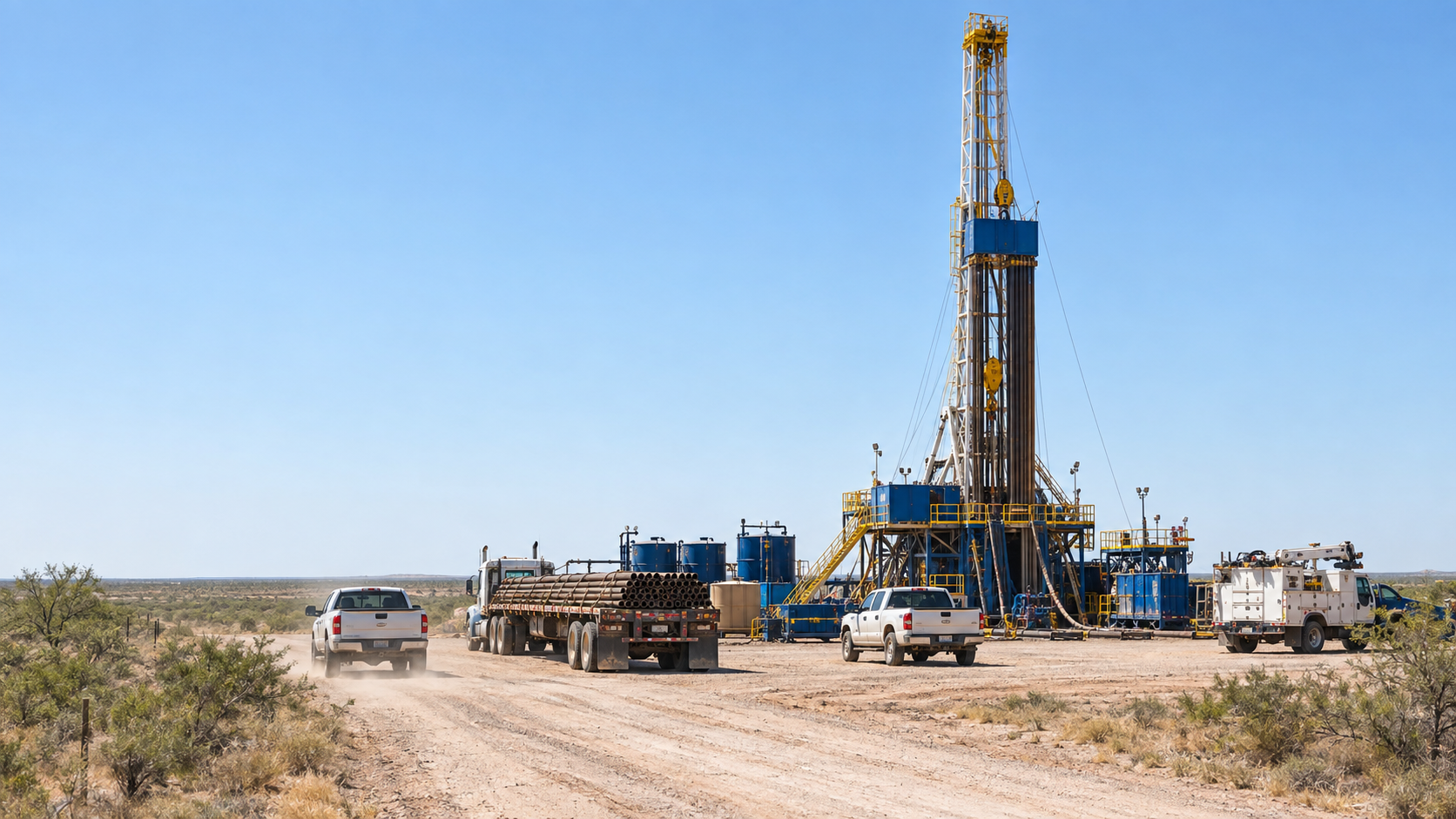
Live streaming delivers measurable returns for fleets whose vehicles regularly operate far from central supervision, carry high-value cargo, or work in environments where conditions shift quickly. Long-haul units away from a home terminal for extended periods, field service teams dispersed across remote service territories, and last-mile routes where rerouting decisions carry downstream consequences are all profiles where a real-time view gives managers something GPS data alone cannot: context for what is happening around the vehicle, not just where it is.
Maneri Traffic Control, a California highway traffic control company operating across active interstate job sites, uses SureCam's LiveCheck live streaming to conduct randomized daily safety and policy checks on field crews without requiring on-site supervisors at every location. The fleet runs remote live safety audits through the platform, which Maneri directly attributes to a 70% increase in team productivity. "We've captured a handful of incidents and handled them in real-time," said Maria Maneri, co-owner. For fleets running crews in high-hazard environments, that real-time audit capability justifies the deployment.
Setting the Workflow Before Enabling Live Video
Role-Based Access and Escalation Protocols
A live feed is only as effective as the workflow that surrounds it. Before enabling live streaming, fleet managers should define who can access a live view, under what circumstances, and what the defined next action is once the feed is open.
Role-based permissions keep access limited to the team members responsible for safety, dispatch, and incident response. Approved use cases should be specific: assessing an active roadside issue, confirming environmental conditions during a route disruption, or gathering initial context before logging an incident record. Every authorized user should understand the escalation path following the live view, whether that means contacting the driver, coordinating roadside support, updating a customer-facing team, or flagging the event for formal safety review.
Connectivity Realities and Platform Integration
Cellular coverage, network conditions, and vehicle location all affect feed quality and availability. Fleets should evaluate live streaming as one component of a broader video telematics workflow rather than as a guarantee of continuous visibility across every route and operating condition.
Before expanding deployment, confirming how live views connect with GPS tracking, historical footage, safety event data, and any existing ELD or telematics integrations gives the rollout a stable technical foundation. Data storage and retention settings for live sessions should match internal policy and applicable recordkeeping requirements before the capability goes fleet-wide.
How to Evaluate Whether Live Streaming Fits Your Fleet
The most practical evaluation approach starts by mapping the current incident workflow from first alert through follow-up, then identifying where the team loses time or makes decisions with incomplete information. Those gaps, not the feature list of a given platform, should drive the live streaming decision.
A limited pilot is more instructive than a fleet-wide switch. Starting with a defined subset of vehicles, routes, or incident types where real-time context would affect a time-sensitive decision produces measurable data on whether the workflow adds value for that specific operation. From there, deployment can expand or be refined based on evidence from the actual operating environment.
Frequently Asked Questions
Does every fleet need live streaming?
Live streaming adds the most value when real-time visual context affects dispatch, roadside, safety, or risk-management decisions that cannot wait for uploaded footage. Fleets whose teams primarily review events after they occur will often find that recorded event clips and historical footage meet the operational need without the additional workflow layer.
Does live streaming replace recorded event footage?
No. Live streaming supports decision-making during an active situation. Recorded footage provides the historical record needed to understand the full sequence of events, coach drivers, and document outcomes for claims, compliance, or coaching purposes. A complete fleet video program accounts for both.
What should a fleet test during a live streaming pilot?
Focus the pilot evaluation on how quickly authorized users can access a feed, how the feed performs in areas with weaker cellular coverage, and how live views connect to GPS data and related event footage. Confirm that permission structures function as intended and that the process supports incident documentation on real routes under real operating conditions, not only in optimal demo settings.



.png)