What Winter Fleet Preparation Covers and Why Fall Is the Right Time to Start
Commercial fleet winter readiness covers four areas: pre-season mechanical inspection, driver coaching for cold-weather conditions, maintenance scheduling, and a review of the video telematics tools that document incidents when roads get hazardous. For seasonal operators transitioning from landscaping work to snow removal and ice management, a fifth layer applies: configuring specialized equipment before the first snowfall and briefing drivers on new routes and procedures. Fall is the window to do all of it. Once roads freeze, the window to prepare proactively closes, and the cost of a single winter incident can outrun whatever preparation would have cost.
Winter driving conditions increase the frequency of hard braking events, reduce following distances, and compress the reaction window that separates a close call from a collision. Fleets that enter the season with uninspected vehicles, drivers who haven't been coached on cold-weather habits, and no systematic way to capture incidents on video spend the season managing consequences. The ones that prepare in September and October spend it running.
Pre-Season Vehicle Inspection: The Mechanical Foundation
Cold-Weather Systems and Under-Vehicle Checks
The core cold-weather mechanical checks apply to every vehicle in the fleet regardless of vertical. Batteries lose significant capacity at low temperatures, which means a battery that runs fine in August can become a vehicle that won't start in January. Every battery should get a load test before the season, not just a visual inspection. Fluids need attention too: antifreeze concentration, windshield washer fluid rated for below-freezing temperatures, and brake fluid moisture levels all affect cold-weather performance and, in the case of brakes, direct safety outcomes.
For fleets carrying heavy payloads or running long daily routes, brake system inspection carries extra urgency in winter. Stopping distances increase on snow and ice, so brakes operating at less than full efficiency create compounding risk. Belts, hoses, and cab heating systems round out the mechanical checklist. A heating system that malfunctions in February doesn't just affect driver comfort; it affects driver alertness, focus, and the physical ability to run a full shift.
Tires, Lights, and Driver Visibility
Tire tread depth drives winter traction more directly than any other single factor. The DOT minimum tread depth of 2/32" provides far less grip on snow or ice than the 6/32" commonly recommended for cold-weather operations. For fleets operating in regions with consistent snowfall, winter-rated tires on drive axles represent a safety investment that reduces incident frequency along with the claims costs that follow.
Lighting and visibility checks often get skipped because they feel secondary to mechanical prep. Short days mean more driving in darkness, so every exterior light, turn signal, and reverse light needs inspection before the season starts. Windshield condition matters equally: chips and cracks that hold up fine in fall can propagate in freezing temperatures, creating visibility problems at the moments that count most. Cameras mounted on or near the windshield should receive the same check. A fogged or streaked mounting zone degrades video clarity precisely when footage matters most.
Seasonal Transition Planning for Landscaping and Snow Removal Fleets
Configuring Vehicles for Snow Removal Equipment
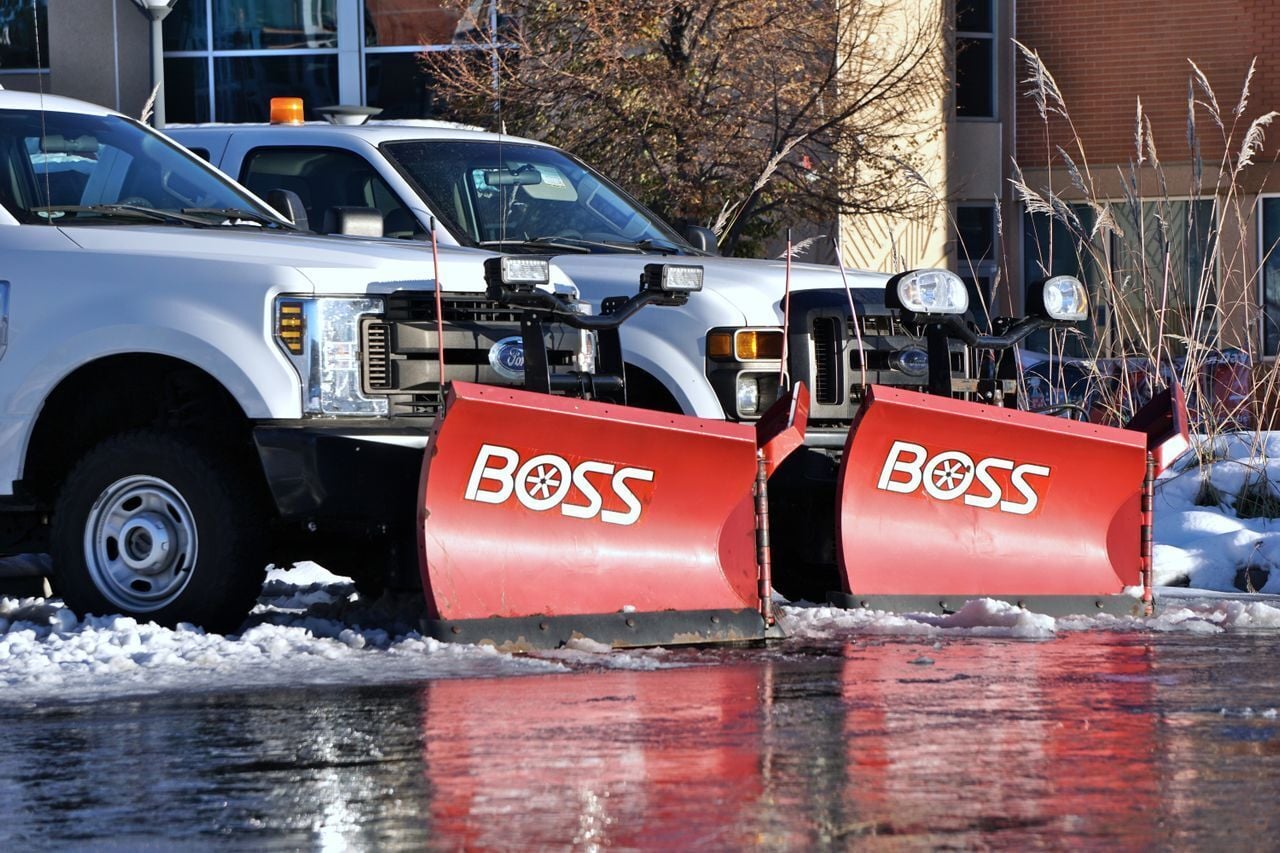
The landscaping-to-snow-removal transition goes well beyond swapping equipment. It changes a vehicle's center of gravity, weight distribution, and in some cases its braking behavior. A truck running a plow and a salt spreader handles differently than the same truck running landscaping gear in September. Drivers who spent eight months on one configuration need time behind the wheel in the new setup before the first service call. That means controlled lot exercises or low-stakes route testing before conditions turn.
The transition also raises a specific camera configuration question. Rear-facing cameras that confirmed landscaping job completion serve a different purpose once the truck backs into a salt loading bay or positions at a tight residential driveway for snow clearing. Confirm sight lines still cover what matters. If newly added rear equipment now obstructs the rear camera's view, address that configuration before winter, not during it.
Pre-Season Driver Briefings for New Routes and Conditions
Snow removal routes differ structurally from landscaping routes. Priority roads, response-time windows, and client expectations for ice management each create new operational demands on drivers who may not have run winter routes before. A pre-season briefing that covers route logic, priority sequencing, and response protocols sets expectations before conditions require fast decisions at 3 a.m. in the dark.
Driver briefings also offer the right moment to reinforce winter-specific coaching points: extended following distances, reduced speeds on grades, slower turning when vehicles carry heavy rear equipment, and the protocol for reporting a stuck or disabled vehicle. Video telematics data from the prior winter, where available, can anchor these coaching conversations in specific documented events rather than generic reminders.
Winter Accident Risk and Proactive Driver Coaching
Hard braking events increase in frequency when roads get slippery, following distances compress under time pressure, and drivers who spent summer months developing habits around clear dry roads carry those habits into conditions that punish them. Coaching before the first snowfall works better than coaching after the first winter incident.
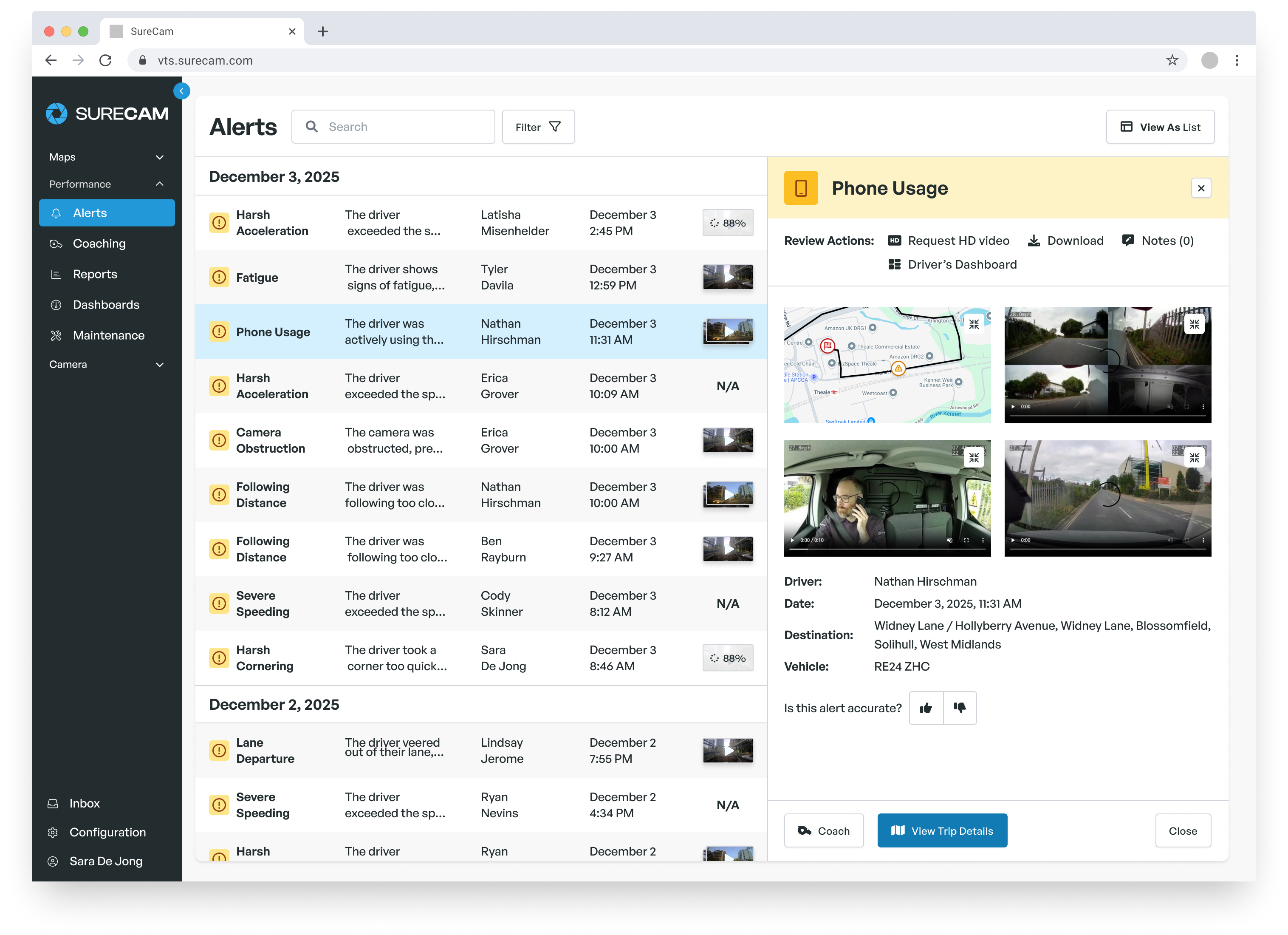
The data needed for that coaching already lives in most fleet camera platforms. Harsh event alerts for hard braking, sharp cornering, and sudden acceleration from summer and fall operations give a baseline picture of each driver's tendencies. Drivers who generate frequent hard-brake events on dry roads will typically generate more on snow and ice. Addressing those patterns now gives the correction time to take hold before conditions amplify the risk.
Ringway Jacobs, a UK highway services fleet running 250 trucks and 350 vans on road maintenance contracts that include winter gritting, achieved a 54% reduction in accident rate and unsafe driving behavior over two years after deploying SureCam cameras fleet-wide. The fleet distributed monthly driver dashboards that made behavioral data visible across the organization, and camera adoption shifted from early resistance to active support once cameras began exonerating drivers in incidents they hadn't caused. A fleet that acts on camera data before a difficult season enters winter with a documented safety advantage over one that waits for incidents to prompt a response.
Reviewing Your Fleet Camera and Telematics System Before Winter
Video for Winter Incident Documentation
Winter incidents happen faster and with less warning than summer ones. Ice, reduced visibility, and compressed reaction times mean the difference between a close call and a reportable collision often comes down to conditions rather than driver error. When third parties are involved, that distinction matters significantly for claims outcomes. Network-connected cameras that upload footage within seconds of a trigger event give fleet managers real-time access to what happened, from what angle, with speed and g-force data attached before anyone has had time to construct a competing account of events.
Review camera health across the fleet before temperatures drop: lens condition, mount stability, cellular connectivity logs, and any units that produced incomplete event videos over the past 90 days. A camera that missed two events in August because of a connectivity issue will miss an ice-related incident in January. Test the notification system with a controlled event where the platform supports it. Winter is not the time to discover a camera has been logging locally without uploading.
Maintenance Scheduling and Fleet Tracking Setup
A vehicle that misses a scheduled service in October shows up as a liability in January. SureCam's maintenance suite lets fleet managers set service reminders by odometer, engine hours, or fixed date, and tracks service history per vehicle so recurring issues surface before they cascade into roadside breakdowns. Flagging vehicles overdue for service before winter driving season starts converts a reactive problem into a scheduled shop appointment. Preventive maintenance runs at significantly lower cost than emergency roadside repair, and the differential widens further when the vehicle in question carries route commitments under a winter service contract.
GPS tracking provides value in winter beyond simple location visibility. Real-time vehicle positions support incident documentation when a collision happens on a route where a third party questions whether the driver was on location at all. For snow removal fleets operating under service-level agreements, GPS trip history gives audit-ready proof of visit times and route coverage, which protects both the billing relationship and any liability that follows from a slip-and-fall on a property the fleet services.