The Collision Math Behind Urban Delivery
Last-mile delivery runs on volume. Dozens of stops per driver. Dense residential streets. Pedestrians stepping between parked cars. Tight delivery windows that push drivers to move faster than conditions warrant. The margin for error narrows with every added stop.
The collision exposure compounds quickly. Consider a courier making 80 deliveries per day, interacting with pedestrians, cyclists, school zones, and narrow driveways hundreds of times per shift. More interactions mean more opportunities for something to go wrong. And when something goes wrong in a densely populated urban area, it rarely stays quiet. Third-party claims follow. Insurance premiums climb. Repeat incidents generate legal exposure that dwarfs the original property damage.
Driver fatigue adds a dimension that long-haul carriers manage differently. Long-haul drivers cover open miles between high-demand interactions. Moving companies and last-mile drivers repeat short trips at high frequency, absorb constant package scanning, customer contact, and time pressure across a full shift, and pay that cognitive toll by the afternoon run. Alertness drops. Reaction time suffers. The claims that follow from that pattern cost more than the collisions themselves.
How AI Dash Cams Catch High-Risk Moments in Real Time
Detecting the Moments That Lead to Accidents
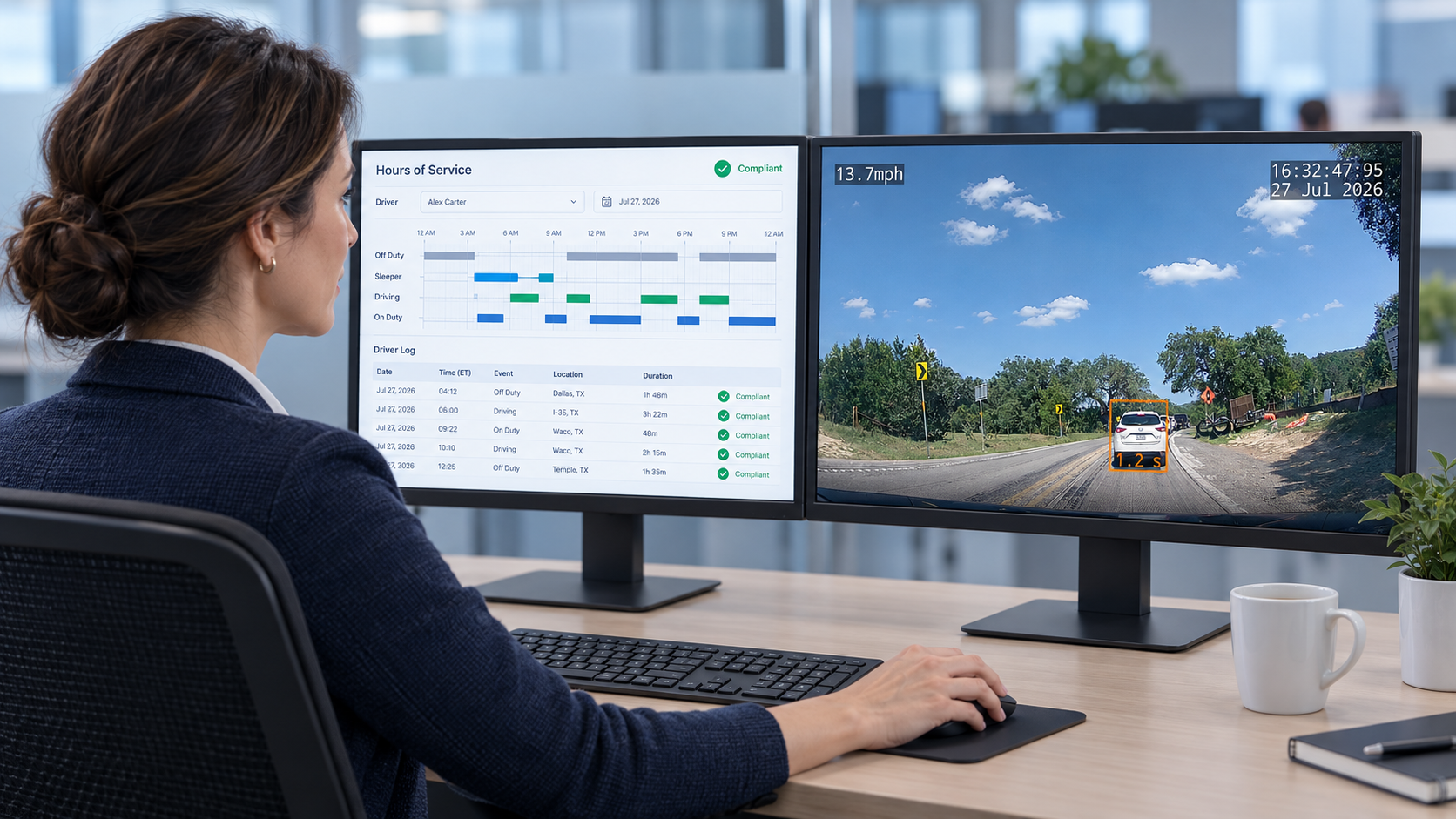
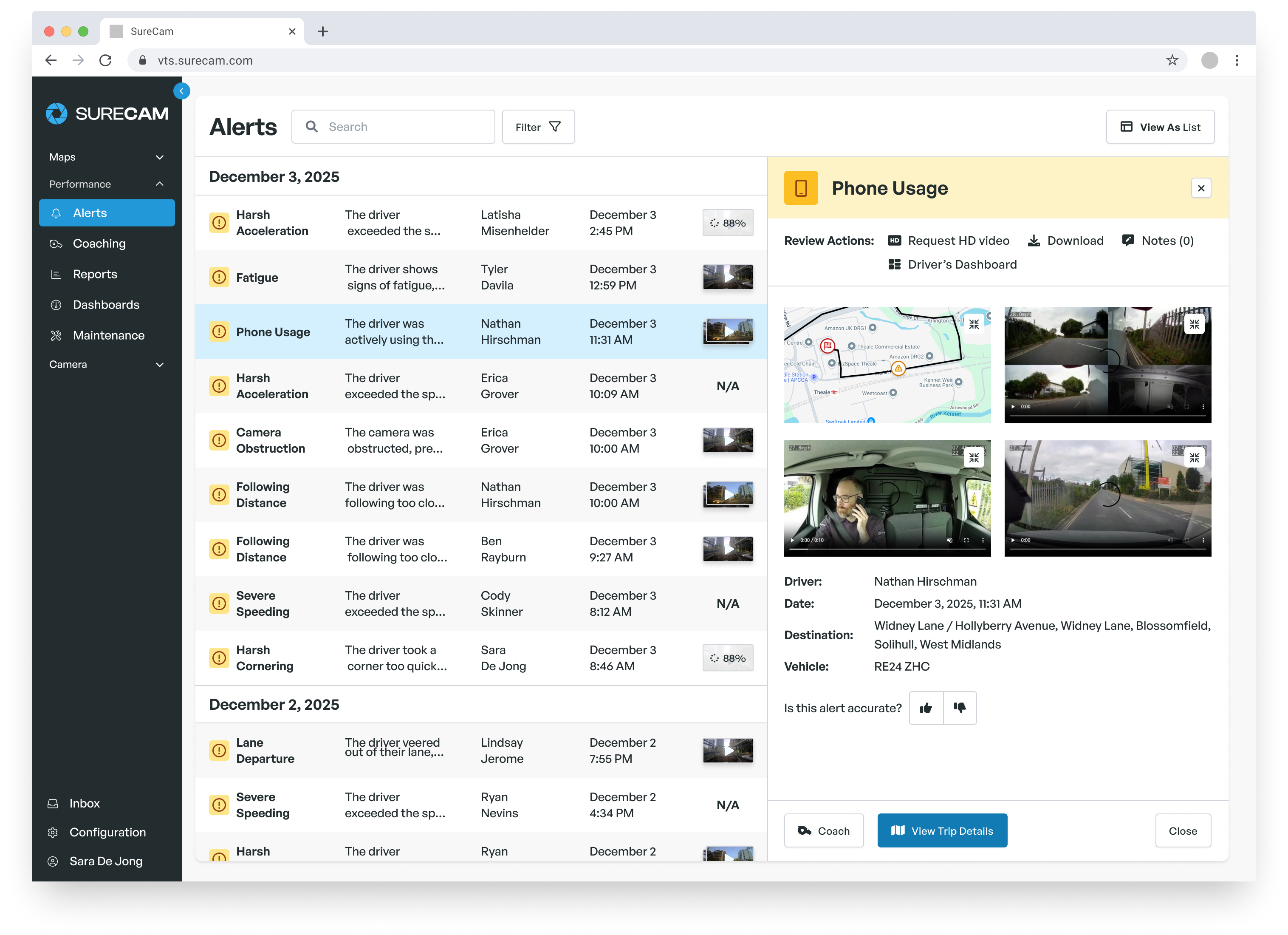
AI dash cams do something a GPS tracker alone cannot: they read driver behavior, not just vehicle location. Harsh braking events, rapid lane departures, close following distances, and phone use triggers all generate automatic alerts. Safety managers see these events as they happen, or within minutes, rather than learning about them after a claim letter arrives.
For last-mile fleets, the alert stream from a typical urban route tells a specific story. A harsh braking event near a school zone at 3 p.m. might indicate a near-miss with a child stepping from behind a parked car. A rapid deceleration at a residential intersection might capture a pedestrian mid-street. Each event produces a time-stamped clip that safety managers can review the same day. Patterns emerge quickly. Problem routes surface. Repeat behaviors convert into coaching opportunities before they convert into claims.
Real-Time Visibility When a Minute Matters
Network-connected cameras close the gap between a road event and awareness in the office. When a collision or severe, harsh-braking event occurs, supervisors receive an automatic alert with video, GPS coordinates, and event severity data. They can assess whether a driver needs roadside assistance, reach the insurance team before a third-party claimant files, and pull footage while the scene still matches what the camera captured.
That speed matters. Delayed claims notification puts fleets on the defensive from the first adjuster conversation. Early footage retrieval lets safety teams build the factual record first, with evidence, rather than scrambling to respond after the other party has already shaped the narrative.
Video Evidence for False Claims and Package Theft
Last-mile delivery fleets face two claim types that rarely burden long-haul carriers: fraudulent road incident claims and package theft disputes.
Fraudulent road claims target delivery drivers because the circumstances often look ambiguous from the outside. A pedestrian at a crosswalk. A cyclist in a blind spot. A parking lot contact with a disputed sequence of events. Without video, these situations reduce to a driver's account versus a claimant's account, and insurers tend to settle rather than litigate. With video, the facts of the encounter surface within seconds of review. The footage either supports the claim or it doesn't.
Package theft compounds the exposure in a different direction. When a parcel goes missing after a confirmed delivery scan, customers file disputes with retailers, delivery companies, or both. Exterior cameras with wide-angle coverage can capture the drop, the door, and the departure. That footage creates a verifiable proof-of-delivery record beyond the scan event in the delivery app. It protects drivers from false theft allegations and gives operations managers documentation when dispute resolution requires more than a timestamp.
Driver Coaching for High-Volume Delivery Fleets
Moving from Alert Volume to Targeted Coaching
High event volume makes driver coaching different for last-mile operations. A company running 20 long-haul trucks might generate 50 events per week. A company running 30 urban delivery vans might generate 500. Without a manageable review system, safety managers sink in alerts without time to act on any of them.
Effective AI dash cam platforms filter noise. They rank events by severity. They surface the drivers and routes generating the most risk so safety teams can direct coaching resources toward the highest-return opportunities. A manager who knows which three drivers produced 60% of the week's events can hold targeted conversations, assign specific clips for self-review, and track whether behavior improves over the following two weeks. That specificity converts into fewer repeat events and, over time, fewer claims.
Driver Acceptance and the Camera Culture Shift
Delivery drivers often arrive skeptical of monitoring. The most effective fleets address that directly: cameras protect drivers as much as they monitor them. When a pedestrian claims a delivery van hit them, video either confirms or refutes the account. When a package theft occurs and the driver faces blame, footage proves the drop. When a false road rage allegation surfaces, the recording resolves it. The camera that monitors the driver also defends the driver.
Krispy Kreme UK learned that lesson across their national delivery operation. After deploying SureCam forward-facing cameras across all 11 UK hubs, incident and accident frequency dropped 80%, and paid motor fleet claims fell 40% in just six months. Ben Povey, Logistics Manager at Krispy Kreme UK Ltd., put it directly: gaining a live view of incidents let the company run a safe and responsible fleet while simultaneously generating insurance and fuel savings. That combination makes the camera program defensible to every stakeholder, from drivers to finance.
GPS Tracking, Route Adherence, and Proof of Delivery
Pairing Location Data with Video Context
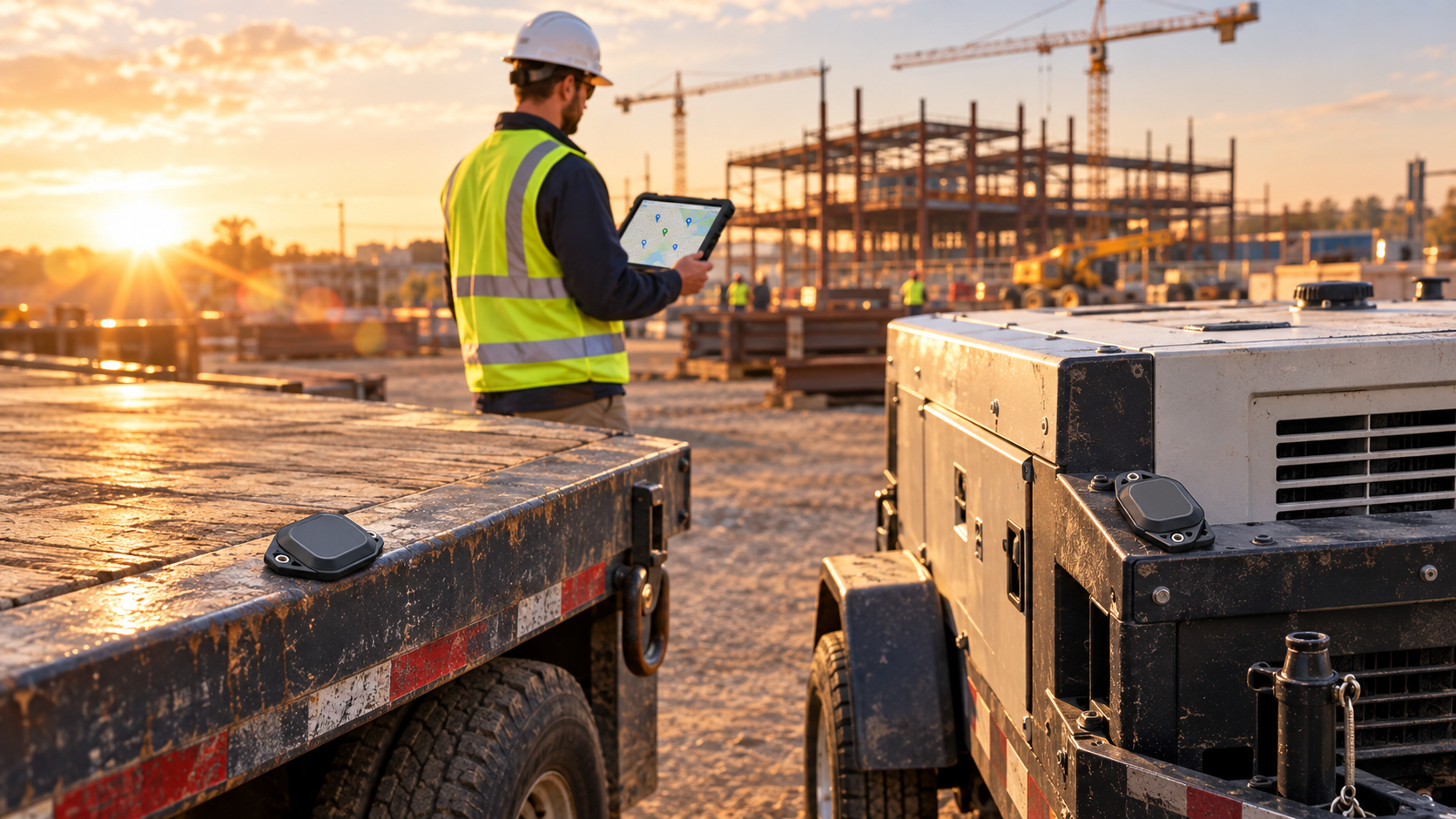
GPS tracking adds operational accountability that last-mile fleets need beyond collision management. Route adherence monitoring reveals when drivers deviate from planned stops, extend break times, or complete fewer deliveries than a route should support. That data helps dispatchers optimize routes and identify where time genuinely disappears during a shift.
When GPS integrates with video, the combination produces richer context. A driver who stopped for 22 minutes at an unscheduled location becomes easier to assess when a camera clip from that period shows mechanical trouble rather than a personal errand. Route deviation triggers don't just flag a GPS coordinate. They can surface the video from the moment of deviation so supervisors see what actually happened instead of guessing from data points alone.
Proof of Delivery and Dispute Resolution
For fleets handling high-value parcels or time-sensitive goods, camera-supported proof of delivery reduces customer dispute costs. A time-stamped GPS arrival with corroborating exterior footage creates a delivery record that covers scenarios a scan event alone cannot: the contested doorstep drop, the disputed delivery window, the neighbor disagreement about package placement. Each scenario that resolves through video documentation saves the time, labor, and cost of a formal dispute process.
As e-commerce return rates and customer dispute volume climb, fleets with video-backed delivery records hold a structural advantage. They close those conversations with evidence rather than escalating them through a claims process that costs more to manage than the package itself.
What Camera Technology Means for Delivery Fleet Insurance
Last-mile delivery fleets often carry higher insurance premiums than comparable commercial vehicle operations because of their claim frequency profile. Insurers price risk from historical loss data, and delivery fleets generate losses at higher volume than most categories. That pricing reflects the collision math described at the top: more stops, more interactions, more exposure.
Fleet cameras shift that profile over time. Faster First Notification of Loss (FNOL) reduces claim duration and open-reserve costs. Video evidence reduces the settlement pressure that leads adjusters to pay undeserved claims. Driver coaching reduces collision frequency over months. Insurers notice those trends at renewal. Some carriers offer premium credits for fleets with documented camera programs. Others use telematics event data as direct input to renewal modeling.
A fleet that approaches an insurance renewal with a year of coaching data, a declining event rate, and a documented record of defended false claims enters that conversation from a fundamentally different position than a fleet without it.
SureCam for Last-Mile Delivery Operations
SureCam builds for fleets that need real results without the complexity of a bloated telematics suite. For last-mile delivery operations, that means network-connected cameras that push alerts automatically, a portal that surfaces the clips safety managers need without manual footage searching, and GPS integration that pairs location context with video in a single view.
The platform doesn't require a dedicated fleet technology team to operate. A safety manager at a 30-van delivery operation can work through the day's events in a focused review window rather than spending hours on footage triage. The system scales from small regional courier operations to multi-hub e-commerce fulfillment fleets without changing the core workflow or requiring new training cycles every time a route or hub comes online.
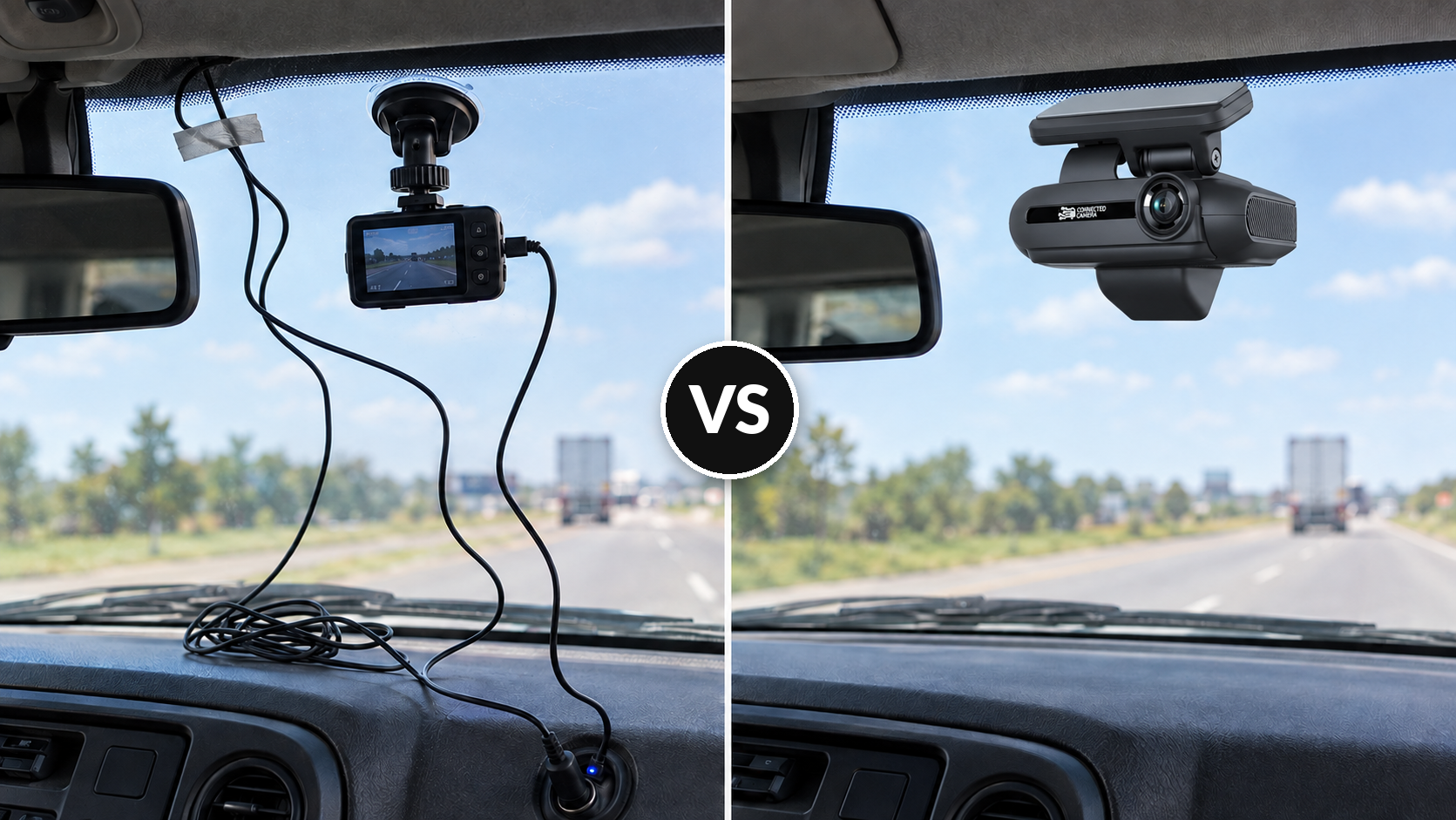
For fleets evaluating camera solutions, the right questions center on how quickly footage becomes available after an event, how the platform filters alerts by severity, and whether GPS and camera data appear in a unified view rather than two separate systems. Those specifics determine whether a camera program actually reduces risk or simply adds another dashboard no one opens. Last-mile delivery carries quantifiable, manageable risk. The fleets that manage it best treat cameras not as surveillance tools, but as the operational infrastructure their drivers and safety teams actually need.


.png)