5 Best Universal Fuel Cards for Businesses
28 Oct 2026
fleet management


Improve fleet safety, reduce operating costs, and optimize field performance with an easy-to-use platform for video, GPS tracking, driver coaching, maintenance, asset tracking, and real-time fleet insights.
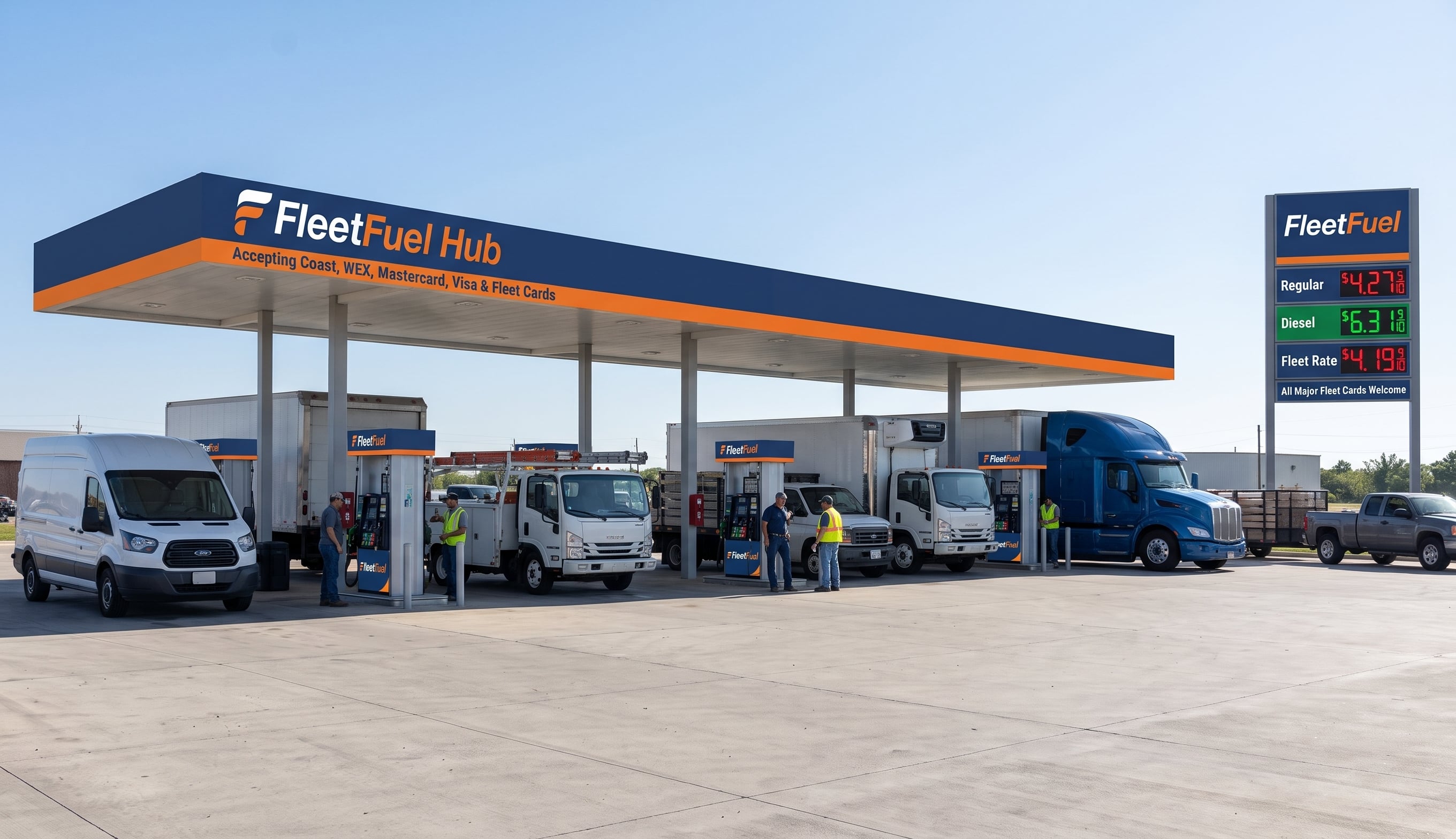


For commercial fleets in construction, field services, utilities, and delivery, fuel is one of the biggest expenses, and costs can quickly add up without the right tools to manage them.
Limitations on card acceptance can exacerbate the issue, making it difficult for drivers to choose the most affordable stations on their route to fill up.
Universal fuel cards, whether issued through major payment networks like Visa or Mastercard or large multi-brand networks, give businesses broader acceptance than single-brand fuel cards, enabling drivers to fuel up wherever they need to.
This guide covers what to look for in a universal fuel card, the five best options on the market, and key factors to consider when choosing one for your business.
To evaluate universal fleet cards, we looked at where each card could be used, how much it could save, and what tools it offered for managing fleet spending. Because universal cards run on open networks, often Visa, Mastercard, or a large multi-brand system like WEX, rather than being locked to a single fuel brand, we weighted them against a different bar than a typical branded fuel card.
Here's what we prioritized:
The five universal fuel card options below offer different combinations of savings, acceptance, spending controls, and fleet-management tools.
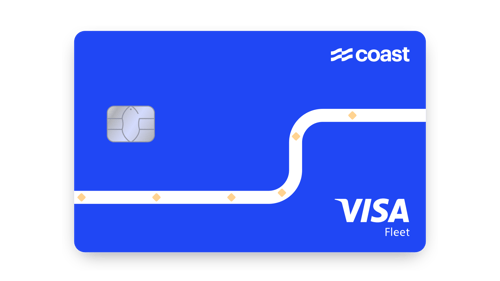
Best for: Local commercial fleets
Coast offers a fleet fuel card drivers can use anywhere Visa is accepted, with incredible fuel savings and rebate rewards at over 30,000 stations and no volume tiers or expiry date. The card also covers maintenance, parts, tolls, and other fleet and field expenses, with controls by driver, merchant type, location, and time. Its telematics integrations can block suspicious transactions in real time using GPS, fuel tank size, odometer readings, and other data. On the security side, a $25,000 annual fuel fraud guarantee (terms and conditions apply) covers both external and employee fraud.
Best suited to local commercial fleets, Coast combines broad acceptance with fleet-specific controls and reporting tools.
Pros
Cons
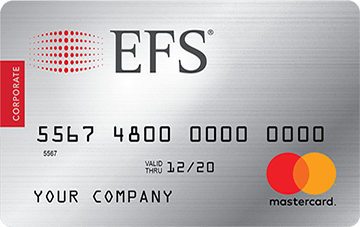
Best for: Larger fleets that want fuel network access and broad Mastercard acceptance
The WEX EFS Mastercard Fleet Card combines EFS’s fuel network with Mastercard acceptance, giving businesses access to more than 16,000 EFS truck-stop locations and broad Mastercard acceptance.
Businesses can use this card at more than 575,000 Mastercard fuel and maintenance locations, making it one of the more flexible options on the market. Businesses can also integrate this card with their current financial systems to better manage spend across their organization.
Pros
Cons
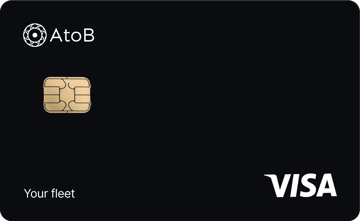
Best for: Businesses that prioritize fuel discounts and modern fleet controls
The AtoB Universal Fuel Card runs on VISA/Mastercard, allowing businesses to make vehicle-related purchases anywhere Mastercard is accepted. It is accepted at more than 30,000 fuel stations and 4,200+ truck stops nationwide and offers discounts of up to 42¢ per gallon.
Beyond fuel savings, AtoB gives businesses control over how and where cards are used. Controls can be set by driver, team, or vehicle, with restrictions based on factors such as merchant, location, purchase type, and time. AtoB also offers tools such as telematics integrations and SMS card unlocks to help reduce unauthorized spending.
Pros
Cons
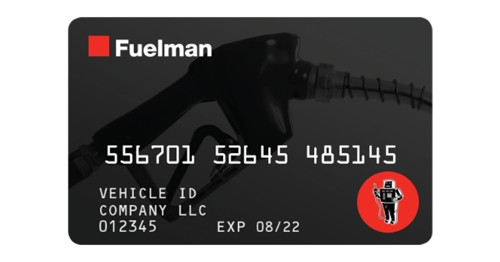
Best for: Businesses that want a choice of fleet programs and pricing structures
Fuelman currently offers a few fleet card options, including the Fuelman Mastercard, which can be used anywhere Mastercard is accepted across the country. This particular card also offers savings of 3–10¢ per gallon at more than 50,000 Savings Network locations, as well as 1¢ per gallon elsewhere Mastercard is accepted.
Businesses using Fuelman fleet cards also have customizable controls, from driver profiles and real-time fraud alerts to detailed reporting capabilities. Multiple plan tiers give businesses flexibility to choose the level of reporting and fraud protection they need.
Pros
Cons
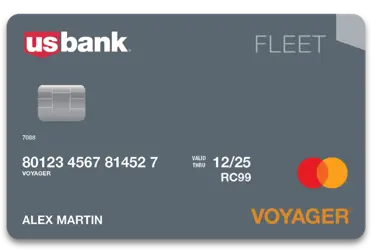
Best for: Larger fleets that need dedicated fleet-payment and reporting tools
Voyager is designed for larger or more complex fleets that need dedicated tools for managing fuel and vehicle-related spending. It focuses on helping businesses control and track fuel and vehicle-related spending.
For businesses managing multiple vehicles and drivers, Voyager’s fleet cards provide greater visibility into fuel purchases and more control over card use. Voyager may be a good fit for businesses that need specialized controls and reporting to manage fleet spending.
Pros
Cons
When choosing a universal fuel card for your business, coverage, savings, and protection are three key factors to consider. The right mix will depend on where your drivers travel, how they spend, and how much control your fleet managers need.
Consider the following 3-part framework:
Start with where the card can be used. If your drivers follow set routes or stay within a specific region, a smaller network may be sufficient. However, if they travel across different states or regularly change routes due to traffic or other factors, a card with broad merchant coverage can give them more flexibility. The farther and more unpredictably your drivers travel, the more important network coverage becomes.
Next, look at how the card can help lower operating costs. Some fuel cards offer discounts or rebates on fuel purchases, while others also offer rewards on non-fuel spending. If your business has significant non-fuel expenses, these additional rewards may offer more value than fuel savings alone. Assess your typical monthly spending to see which rewards structure offers the most value for your business.
Finally, consider the card’s security and fraud protection features. Real-time transaction alerts, purchase controls, GPS or telematics verification, and fraud guarantees can help identify suspicious activity and prevent unauthorized charges. For fleets with connected vehicles, telematics-based verification can provide an extra layer of protection by comparing transactions with information such as vehicle location, fuel capacity, and odometer readings. Strong security features also give fleet managers greater visibility into spending while making it easier to spot and respond to potential fraud.
A universal fuel card controls where and how drivers spend at the pump. GPS tracking shows where your vehicles actually are and how they’re being driven. Used together, they make fuel fraud much harder to hide: a fill-up where the vehicle wasn’t, a purchase bigger than the tank, or fuel use that doesn’t match the miles driven.
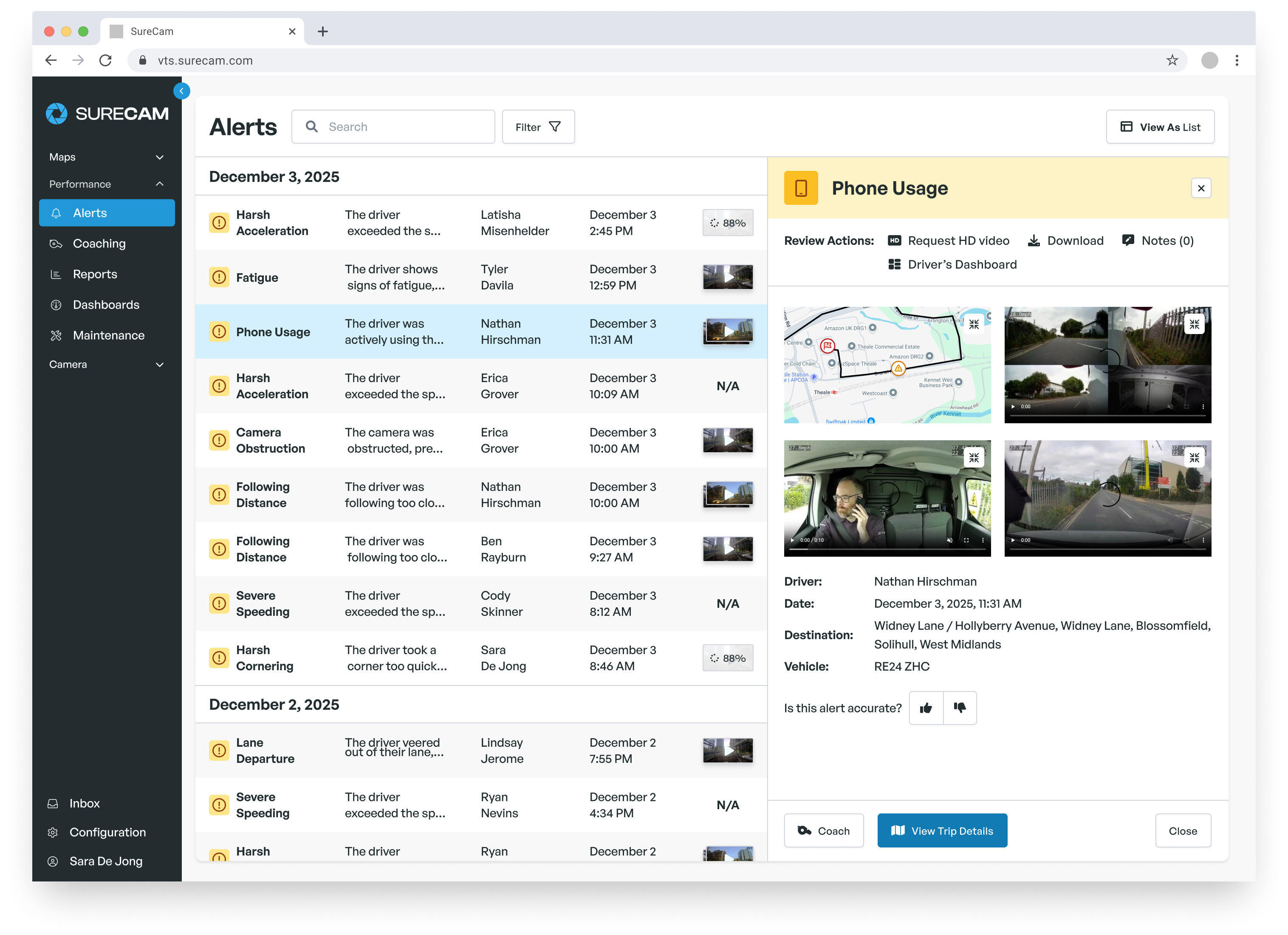
SureCam builds GPS tracking directly into its connected dash cams, so location, speed, route history, and video all come from one device. Fleet managers get the location data to check fuel transactions against, video to back it up, and visibility into idling and harsh driving, which both burn fuel. It’s built for commercial fleets in construction, field services, utilities, and delivery.
See how SureCam helps you track, protect, and optimize your fleet. Request a demo.
Universal fuel cards are payment cards businesses use to pay for fuel and other vehicle-related expenses across a network of fuel stations. Unlike single-brand fuel cards, they can be used across multiple fuel providers, giving fleet operators more flexibility to choose where to fuel based on location, price, and convenience.
Businesses typically issue cards to drivers or assign them to specific vehicles. When fuel is purchased, the transaction is authorized and recorded in a central account. Fleet managers can then monitor spending, generate reports, and keep track of fuel expenses over time.
The controls available depend on the card provider, but many fleet cards let businesses set limits on how, where, and when cards can be used. These may include spending limits by card, driver, or vehicle, as well as daily, weekly, or monthly limits. Some providers also offer restrictions by fuel type, merchant, location, or time of day.
Universal fuel cards help reduce fraud by giving fleet managers more visibility and control over company spending. Purchase limits and restrictions can help prevent unauthorized transactions, while transaction data can flag unusual activity, such as fuel purchases outside normal locations or at unusual times. Some providers also use GPS, telematics, or other vehicle data to verify transactions and identify activity that may be suspicious. This makes it easier to spot potential fraud early and take action.