Why FNOL Matters More Than Ever
[2026 UPDATE: This post has been refreshed to reflect current fleet technology and FNOL best practices.]
In 2026, AI-connected dash cams and real-time alert platforms have transformed fleet incident response: the best-prepared operations have video evidence uploaded and an FNOL submission underway before the driver reaches the shoulder. For fleets still relying on phone calls and manual review, the gap in claims outcomes has never been wider.
Submitting a timely FNOL report ranks among the most important steps in starting the claims management cycle on the right foot and ultimately reducing claims costs. Three decisions drive the outcome: timing, technology, and knowing when to file. Read on for a practical guide to FNOL and how to use it to get ahead of claims before they get ahead of you.
What Does FNOL Mean?
FNOL stands for "First Notification of Loss" or "First Notice of Loss." This term refers to the initial report submitted to an insurance provider following theft, loss, or damage of company property. For transportation and fleet professionals, FNOL typically follows an accident or collision, and it kicks off the formal claims management process led by the provider.
Traditionally, FNOL meant a phone call. Today, many carriers accept digital submissions and expect supporting evidence: video, telematics data, and GPS coordinates. Fleets that arrive at FNOL with that evidence in hand move faster, reduce disputes, and protect their claims history.
What Is the FNOL Process?
The most critical moment in the FNOL process happens before any report gets filed: how does fleet management learn an incident occurred?
Many fleets still rely on the driver to call in. That introduces delay measured in minutes or hours. During that window the narrative can shift, evidence can deteriorate, and third parties can establish their version of events. Getting into the picture faster with video and telematics data changes that dynamic.
After addressing driver safety and documenting the scene, the next step is contacting the insurance provider to submit the FNOL report. That first contact typically goes through a claims call center representative. While steps vary by provider, most submissions require:
- Policy number
- Date and time of the incident
- Police report number (if applicable)
- Methods to establish fault (eyewitness accounts, video footage, telematics data)
Getting that information organized before the call (not during it) shortens the cycle and reduces errors. By getting ahead of the FNOL report, a fleet takes the necessary steps to cut downtime, reduce legal fees, and position itself for proper coverage.
Using Technology to Help with FNOL
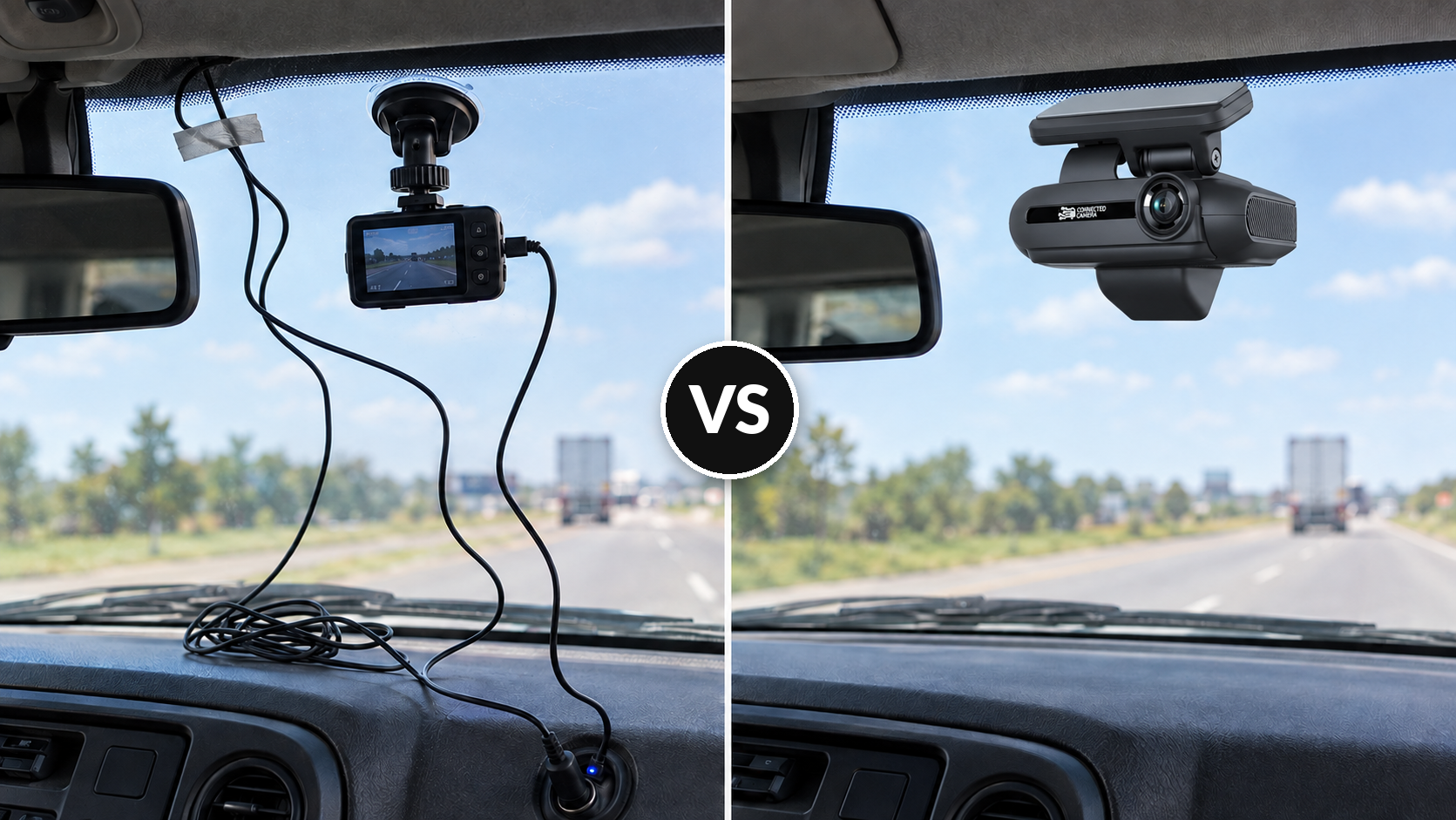
Modern connected camera systems have made real-time FNOL response practical for fleets of all sizes. The right platform delivers what fleet managers need at the exact moment an incident occurs, not hours later when the driver returns to the yard.
What Real-Time Technology Enables
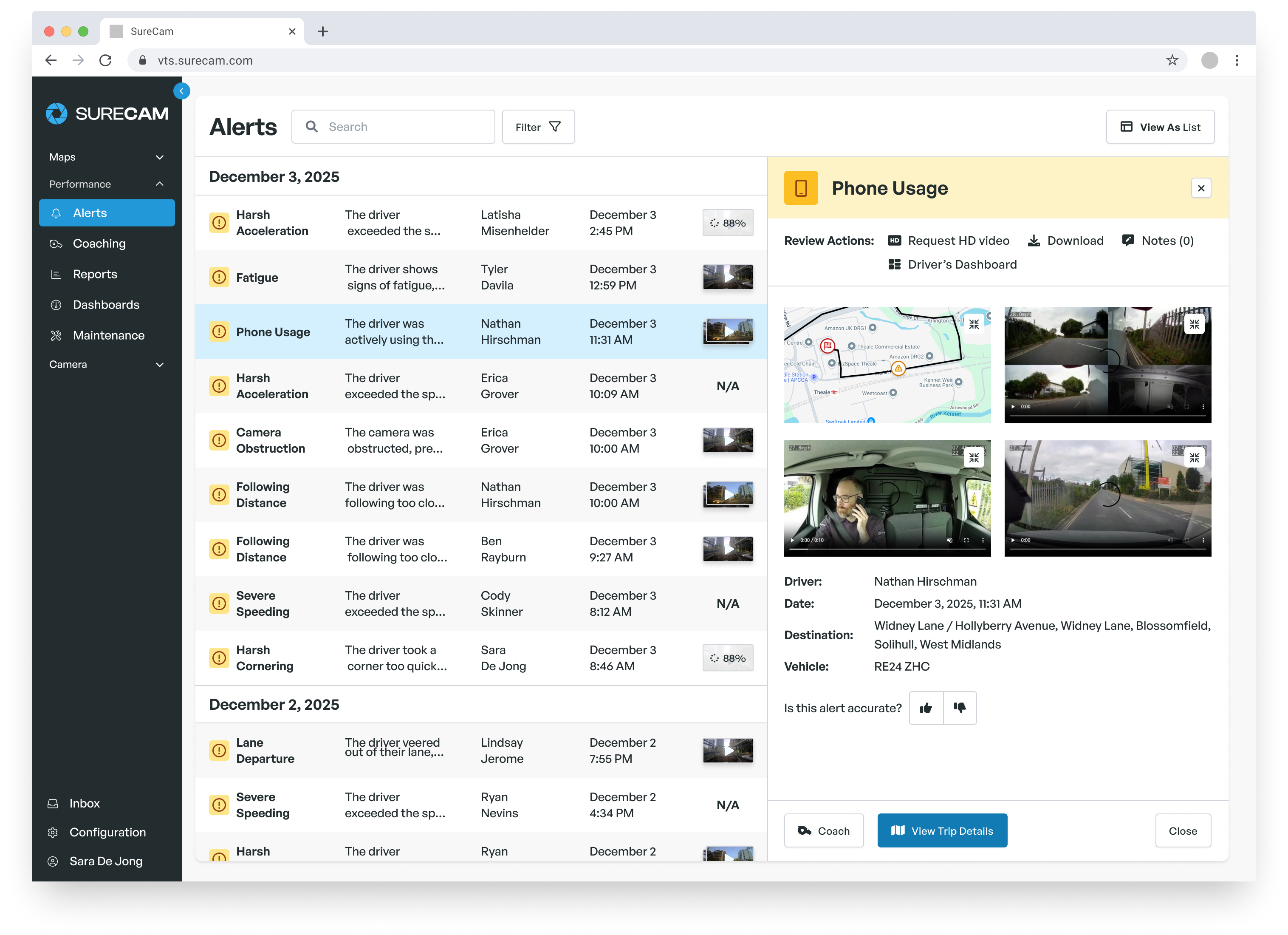
When a collision or hard-braking event occurs, SureCam-equipped vehicles automatically trigger an alert via email and SMS. Fleet management receives notification within seconds. That alert links directly to the incident video clip, retrievable from the SureCam platform without waiting for the driver or handling an SD card.
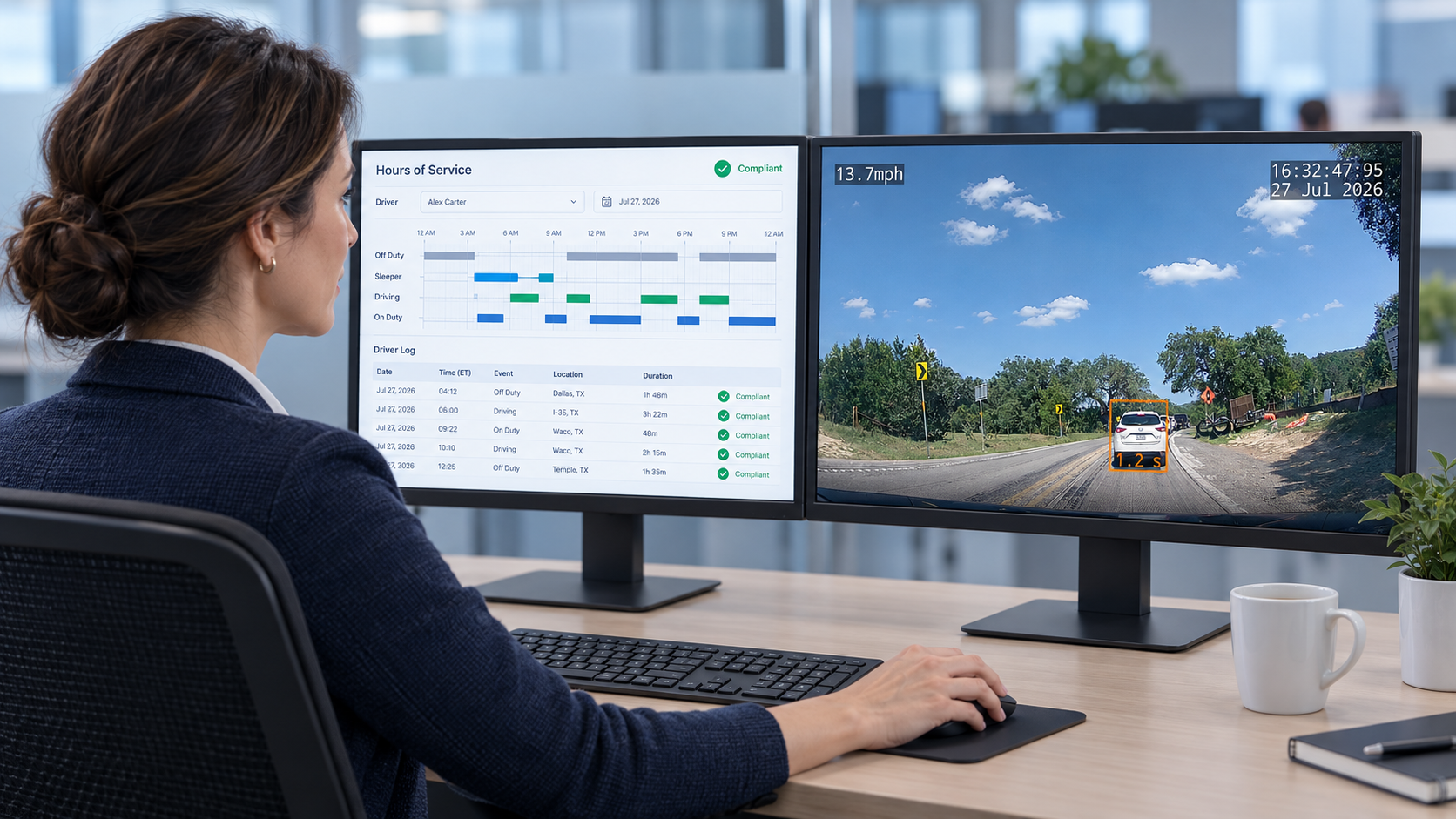
That clip (timestamped, GPS-anchored, paired with g-force and speed data) becomes the foundation of the FNOL submission. For SureCam fleets that also run Geotab telematics, the integration layers trip history and vehicle data into the same incident record, giving the insurer a complete, defensible picture from a single workflow. Brian Yuill, Managing Director of Yuill & Dodds Ltd., described the real-world result: "Using the vehicle cameras, we are immediately alerted of an incident, so we can ensure that the driver is safe, while quickly assessing liability and sending details to our insurance partner."
What to Look for in an FNOL-Ready Platform
Real-time incident notification separates functional FNOL platforms from systems that require manual review. If a fleet manager has to log in and search for incident video rather than receiving an alert, the fast-response window has already closed.
Data ownership matters just as much. Some platforms retain footage ownership and release video only on their schedule, creating friction when speed matters most. Fleets with direct access to their own incident footage can submit evidence with the FNOL, share it with counsel, or provide it to the insurer independently. Platform integrations with existing telematics systems also matter: a complete incident record (video plus location plus vehicle data) resolves disputes faster than video alone.
FNOL Checklist: What Your Fleet Needs Ready Before an Incident
The best FNOL outcomes come from preparation, not reaction.
- Connected camera system with real-time alerts: Incident notifications should reach fleet management automatically, not when the driver calls in.
- Instant video retrieval: Footage should pull from the platform portal within seconds, without SD card handling or driver involvement.
- Policy information accessible to dispatch and safety staff: Policy number, claims contact, and reporting instructions should not live only in the fleet manager's memory.
- Driver incident response protocol: Drivers should know the sequence at the scene: stay safe, document, contact dispatch, cooperate with authorities.
- Telematics integration or GPS record: Video evidence is strong. Video plus GPS timestamp, speed, and g-force data produces an effectively uncontestable record.
- Claims center contact for each insurer: Not every carrier uses the same FNOL intake channel. Know the number before you need it.
- Incident log process: Establish how driver name, vehicle ID, location, and time get captured and stored for follow-up throughout the claims cycle.