Why Remote Routes Create Incomplete Incident Records
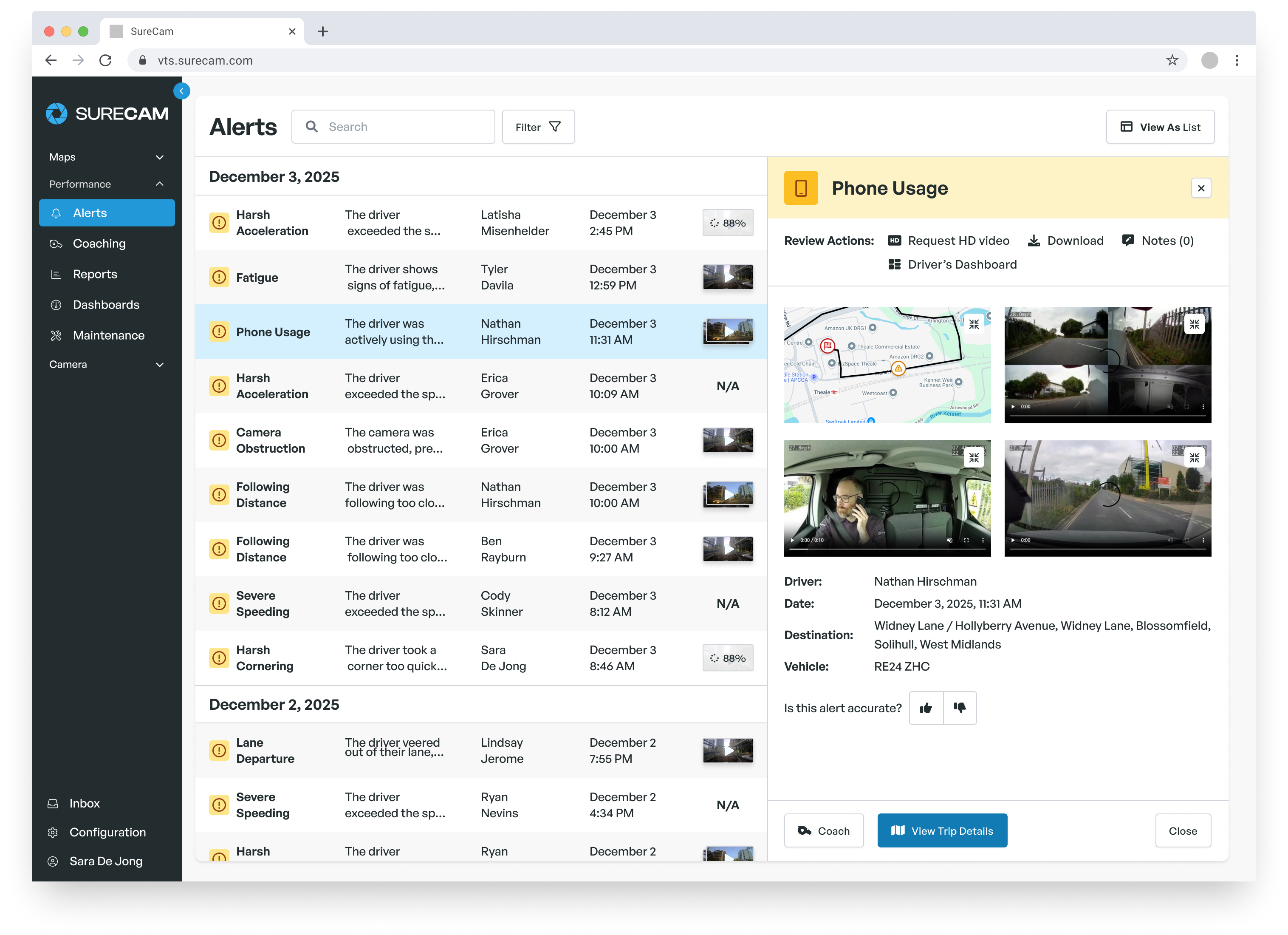
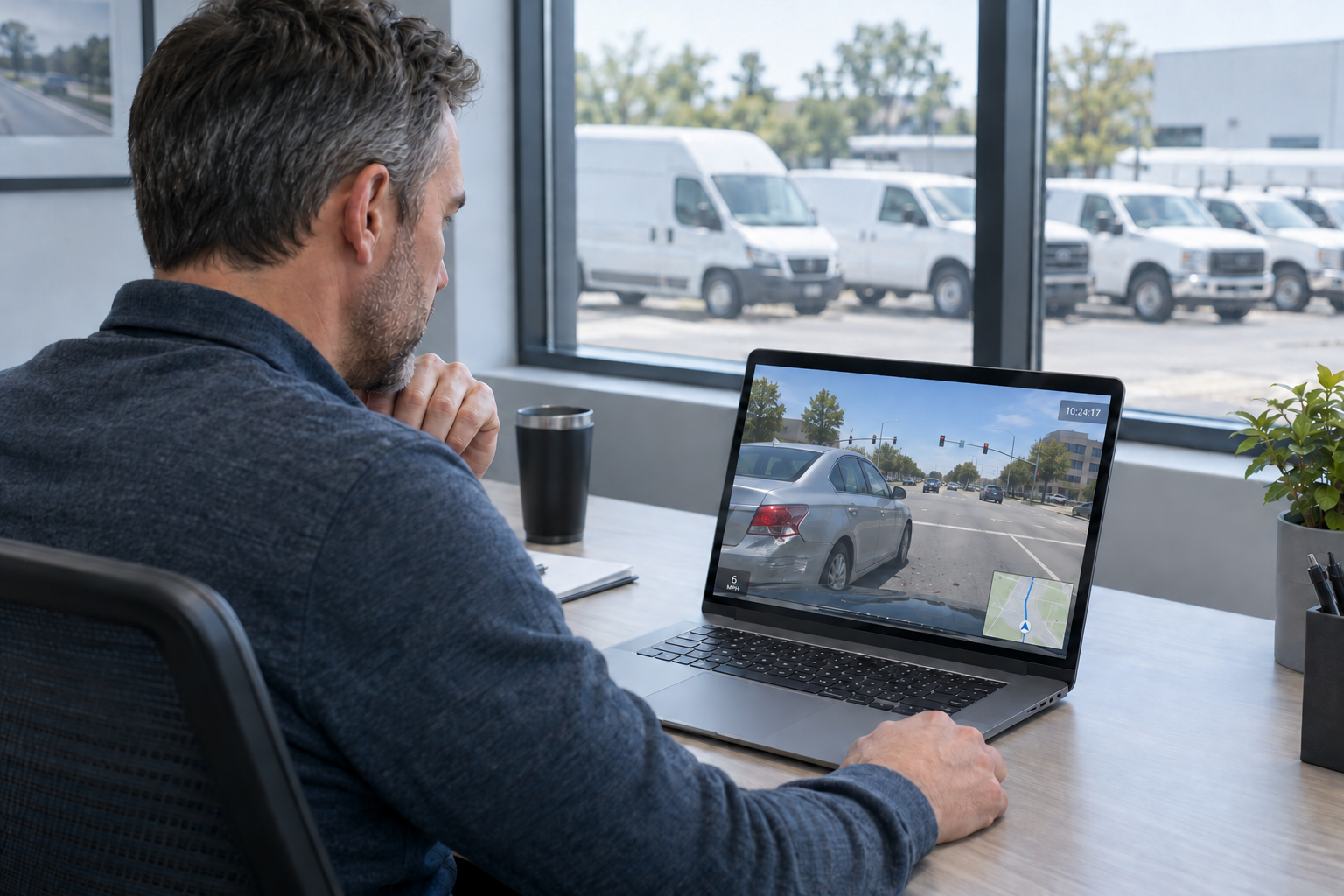
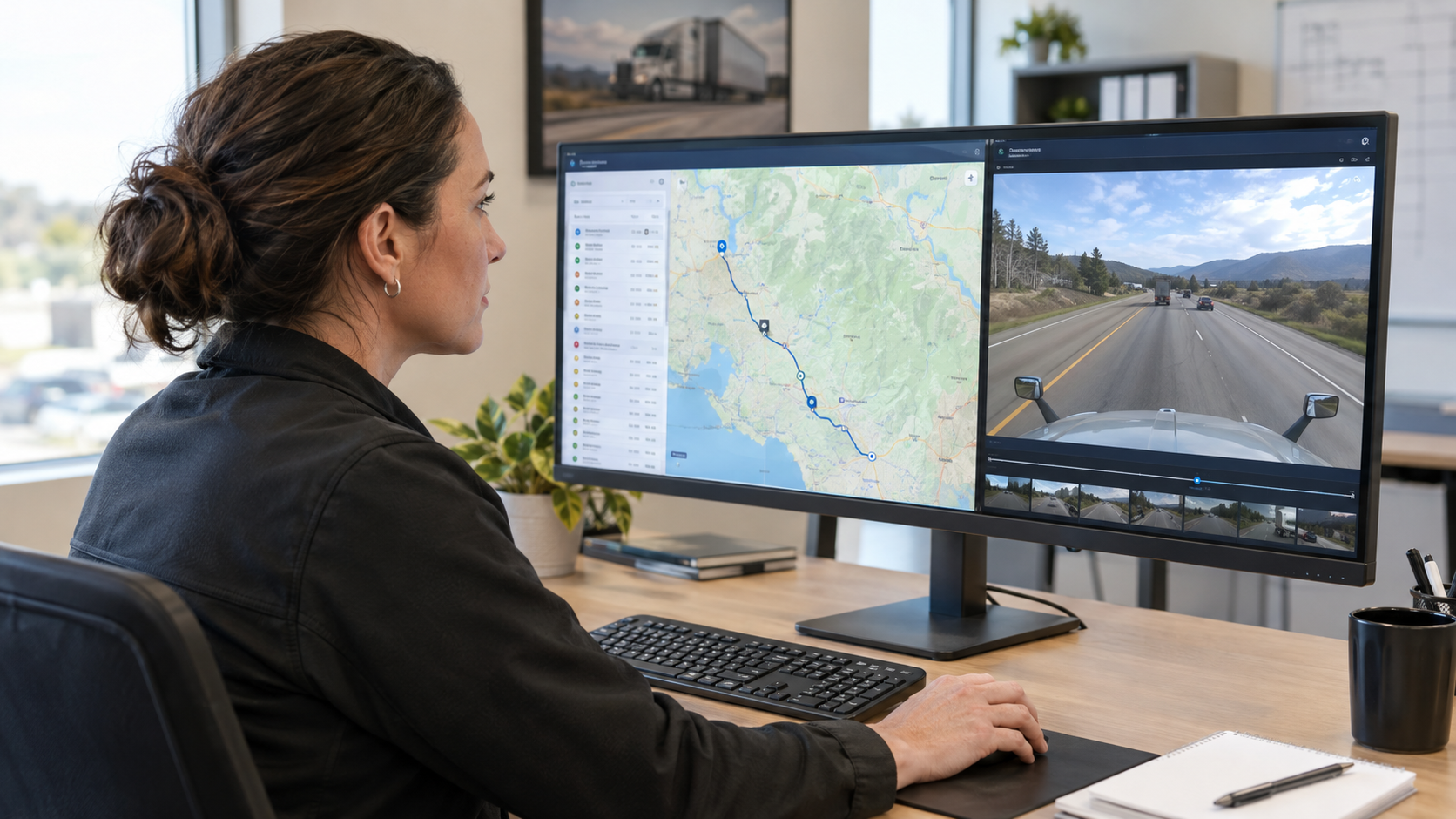
An oil field dash cam gives fleet safety teams time-stamped road footage alongside GPS position, vehicle speed, and g-force event data. That combination closes the gap between a reported incident and a complete review, which matters most when the event occurred on a lease road 40 miles from the nearest dispatcher.
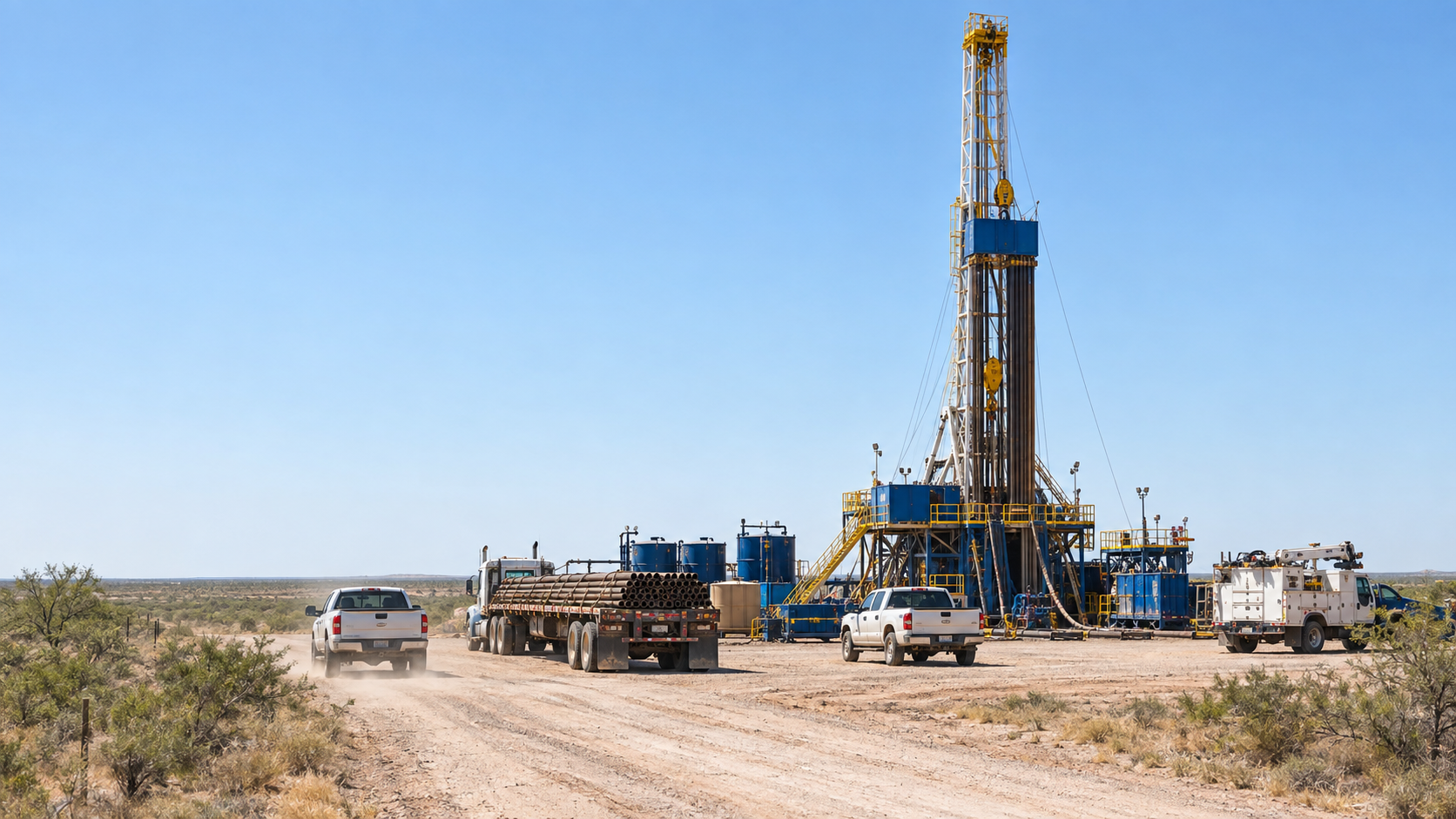
Remote oil and gas routes strip away the context that makes urban incident review straightforward: no nearby cameras, no accessible witnesses, no quick supervisor arrival. By the time a dispatcher receives a report, conditions may have changed, details may be harder to recall, and the driver may still be managing site procedures or waiting for assistance.
The operating environment deepens the challenge. Lease roads carry uneven surfaces and sudden grade changes. Access routes run through contractor and service-vehicle traffic with unpredictable timing. Seasonal weather, dust, and limited daylight alter how road hazards develop. A review that starts from a driver's summary alone leaves safety and operations teams reconstructing what happened without a shared factual record.
Video telematics does not determine fault or replace a formal investigation. What it provides is a shared starting point: a clear event window, the vehicle's location and speed heading into the event, and a view of the road conditions present at that moment.
What Oil Field Dash Cam Data Makes a Remote Review Possible
The Core Video and Vehicle Data Record
A complete oil field dash cam record connects forward-facing video to the vehicle data that makes footage useful for review. Road-facing footage shows the environment ahead of the vehicle. GPS records anchor that footage to a specific location on the route. Speed data and g-force sensors mark the moment of an alert and document vehicle behavior in the seconds before impact or evasive action.
Together, those data points answer the four questions a safety reviewer needs to start any remote-route incident review: when the event occurred, where the vehicle was operating, how the vehicle was moving before the event, and what the road environment looked like at the moment of the alert.
Some fleets supplement road-facing footage with driver-facing cameras, which can provide context around seat belt use, distraction, and defensive-driving response. That view adds value when camera use is part of a documented safety policy and communicated clearly to drivers before deployment. Road-facing footage typically anchors the review; driver-facing footage, when present, adds supporting context rather than replacing it.
AI Event Detection and Reviewer Validation
AI-assisted event detection helps safety teams prioritize footage on high-volume remote-route schedules. When a fleet runs dozens of daily trips across lease roads and access routes, waiting for a driver report to trigger a review creates a lag that allows details and context to fade. AI detection flags hard-braking, harsh cornering, rapid acceleration, and other configurable driving events as they occur, giving reviewers a starting queue rather than a passive inbox.
Trained reviewer validation remains essential even with AI-flagged alerts. Lease roads generate braking events that resemble driver-error events on clean footage. A sharp grade change on a gravel access road can produce a g-force spike identical to an abrupt reaction stop on a dry highway. Reviewers apply route-specific context: what appears normal for this road type, this site, and this driver's established pattern.
Configuring alert thresholds for the fleet's specific routes and seasonal conditions before deployment reduces false positives and keeps the reviewer's queue actionable rather than exhausting.
How a Repeatable Workflow Speeds Remote Incident Resolution
Same-Shift Review Steps and Documentation
A same-shift review process keeps remote-route incidents from building into a multi-day backlog. Assigning a responsible reviewer for each shift, identifying the vehicle and event window as soon as an alert arrives, preserving footage and telematics records, and gathering the driver's account while details remain fresh are all components of a process that stays current rather than reactive.
Standard review categories help safety teams track patterns across routes, vehicles, seasons, and job sites. Common categories include hard-braking alerts, backing events, roadside incidents, road-condition concerns, near-miss events, third-party complaints, and equipment-related issues. Consistent categorization makes it possible to compare a September mud-season event on an access road where similar alerts appeared the prior fall, identifying route-specific hazards rather than treating each event as isolated.
The internal review record should capture the event timeline, footage reference, vehicle data summary, driver discussion notes, and any corrective action or follow-up assigned to operations. That documentation supports safety and risk teams without making assumptions about legal liability or claims outcomes.
From Footage to Coaching: Making Reviews Productive
Coaching conversations grounded in footage produce more specific, lasting change than general reminders about safe driving. A hard-braking alert on a muddy lease road calls for a different conversation than repeated speeding on a dry access route with clear sightlines. When the discussion ties to an observable event, a specific route segment, and what the driver can do differently in similar conditions, the coaching has traction.
Drivers in remote-field environments often operate with significant autonomy, which makes the framing of camera programs important. Drivers who understand that footage can protect their account of a disputed event tend to view camera programs as fair rather than punitive. That perception shift often determines whether a safety program produces sustained behavior change or cycles through repeated coaching conversations without measurable improvement.
Consider a 65-truck oil field services company running lease roads across a remote producing basin. When a hard-braking alert triggers during fall weather on a gravel access road, the safety manager retrieves time-stamped footage, GPS position, and speed data from the event window within minutes. The review begins with a shared factual record rather than a phone conversation. The driver's account then adds the context the footage alone cannot supply.
How a Pilot Fleet Validates Your Review Process on Real Routes
A pilot structured around real operating conditions gives a fleet team practical data before a full program commitment. Selecting a representative group of vehicles that regularly travel lease roads, access roads, and longer rural routes, and documenting the team's current incident report and review process before deployment, establishes a baseline for measuring improvement.
The pilot period should measure workflow outcomes rather than only incident counts: time needed to locate footage after an alert, time to complete a manager review, and time from event to driver coaching conversation. It should also track recurring route risks, alert types that generate frequent false positives under current threshold settings, and cellular-upload limitations that affect footage availability on the most remote segments.
The most useful pilot outcome is a review process the team can repeat consistently. When video, location data, and event records organize around the same incident window, safety managers spend less time assembling basic facts and more time addressing the route conditions and driving patterns that carry the most risk.
SureCam offers forward-facing and multi-camera configurations designed for commercial fleet operations, including remote-route incident review, AI-triggered event detection, and GPS-integrated telematics. Contact SureCam to discuss fleet requirements and pilot planning for oil and gas operations.