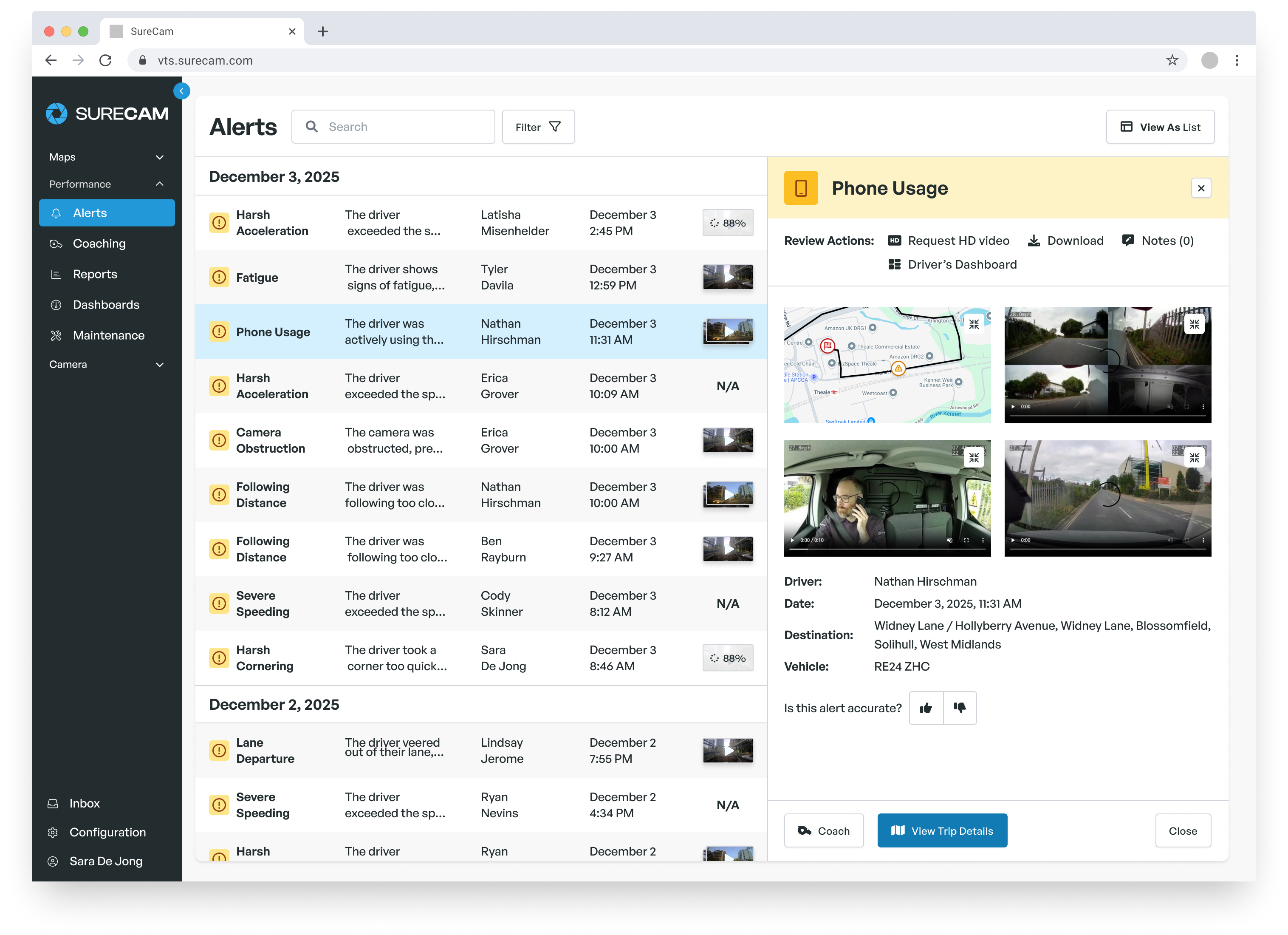
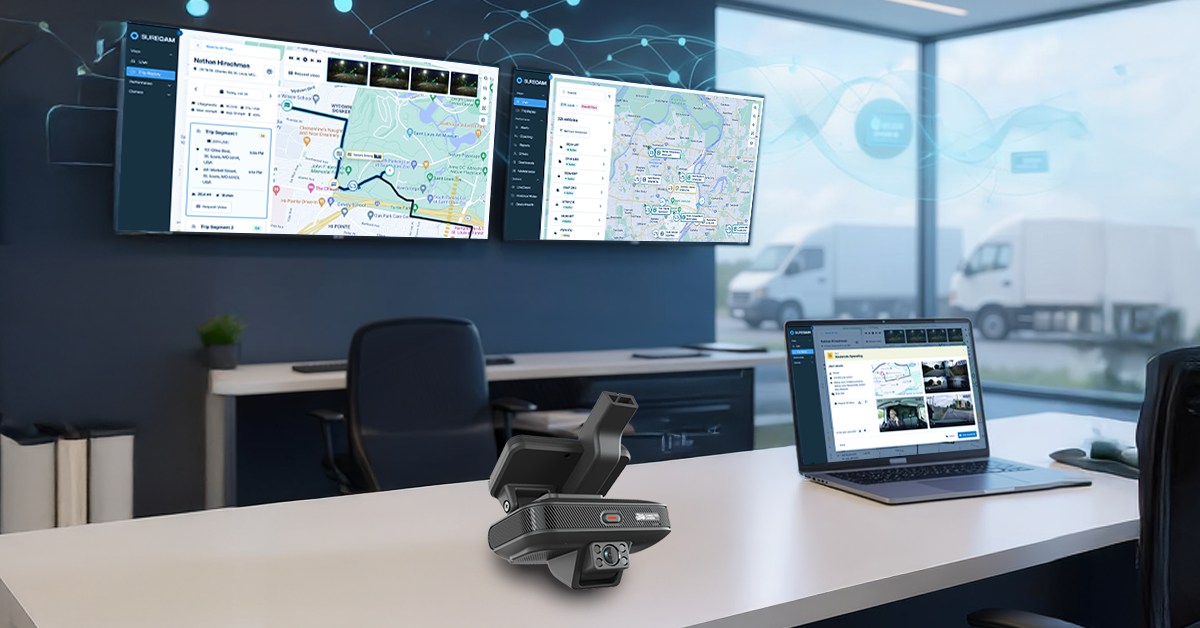
Fleet managers running 50 to 500 vehicles don't need another login screen. When dash cams operate independently from dispatch software, or maintenance trackers the result is fragmented insights and twice the administrative burden.
Integration matters because modern fleet operations depend on unified visibility. Video evidence from a hard-braking event becomes exponentially more useful when it appears alongside telematics data and driver scorecards in a single workflow. For operations directors juggling tight margins and rising insurance costs, a unified system turns reactive firefighting into proactive fleet management.
The Hidden Cost of Disconnected Systems
Most fleet managers already work with multiple platforms. GPS tracking in another. Maintenance schedules in a spreadsheet. Dash cam footage in a separate cloud account. This fragmentation creates operational drag that costs real time and money.
Consider the workflow after a sideswipe incident. The telematics system triggers a g-force alert. The dash cam records the event. The safety manager needs vehicle speed, GPS location, driver history, and video footage to understand what happened. In a disconnected environment, each data point lives in a different system. Thirty minutes of manual data gathering for information that should take 30 seconds.
Insurance claims take longer to resolve without integrated data packages. Driver coaching becomes less effective when safety managers cannot show drivers a complete performance picture. Integration is not a convenience feature—it is the difference between data and actionable intelligence.
What Integration Actually Means in 2026
Integration has become a checkbox item on vendor comparison spreadsheets, but not all integrations deliver the same value. Understanding the spectrum of integration types helps fleet managers ask better questions during the vendor selection process.
API-Based Integration represents the gold standard. Application Programming Interfaces allow two software systems to exchange data automatically and bidirectionally. When a dash cam system integrates via API with a fleet management platform, event data flows seamlessly. A hard-braking alert in the telematics system can automatically trigger video retrieval from the dash cam. Driver scorecards pull both GPS-based metrics and AI-detected risky behaviors from a unified data stream. Real-time alerts combine location data, driver identification, and video clips in a single notification.
Webhook Notifications enable event-driven automation. When a dash cam detects distracted driving, it can send real-time notifications to external systems. This allows fleet managers to build custom workflows where video events trigger actions in maintenance software, dispatch systems, or safety management platforms.
Data Export and Import capabilities offer basic integration where full API connections are not available. Scheduled data exports allow fleet managers to pull dash cam event logs, driver behavior summaries, and video metadata into business intelligence tools or custom reporting systems. While less elegant than real-time API integration, this approach still centralizes data for analysis.
Single Sign-On (SSO) streamlines user management across multiple platforms. When a dash cam vendor supports SSO, IT managers can grant or revoke access through existing identity management systems. This reduces password fatigue and simplifies onboarding and offboarding processes across the entire technology stack.
Some vendors advertise integration but deliver only manual data downloads or static reporting. Before committing to a platform, fleet managers should request a technical integration document that specifies API endpoints, data refresh rates, supported authentication methods, and examples of bidirectional data flows.
Compatible Platforms and the Integration Landscape
The fleet technology ecosystem includes dozens of specialized platforms, and finding a dash cam solution that works with existing systems is critical.
Maintenance management platforms track service intervals and repair costs. Integrating dash cam data surfaces correlations between driver behavior and wear patterns. Frequent hard braking might indicate a need for earlier brake pad replacement.
Not every dash cam provider invests in building integrations across this fragmented landscape. Some vendors lock customers into proprietary ecosystems, forcing fleet managers to abandon existing investments. Others offer only one or two pre-built integrations.
SureCam dedicates resources to multiple telematics integrations and offers open API access for custom connections. This flexibility allows mid-sized fleets to integrate video telematics into their existing technology stack without replacing functional systems.
Data Synchronization: The Technical Side Fleet Managers Need to Understand
Understanding how data moves between systems helps set realistic expectations and identify potential roadblocks.
Event Triggering and Data Flow determines response speed. In a well-integrated system, a g-force sensor detects a collision, the dash cam uploads video to the cloud, the telematics platform receives an event notification, and the fleet management dashboard displays the incident with GPS coordinates and a video link within seconds. Legacy systems relying on batch processing (every 15 minutes or hourly) cannot enable real-time response.
Data Normalization ensures consistent metrics across platforms. Different systems use different naming conventions for the same data points. Effective integration includes translation layers that normalize data formats, preventing duplicate records and inconsistent metrics.
Storage Architecture impacts cost and performance. Cloud-native dash cam solutions upload video directly to secure storage. API integrations then provide authenticated links to video clips without duplicating large files across systems, balancing accessibility with storage efficiency.
User Permissions becomes complex in integrated environments. Role-based access control across all connected platforms maintains security without administrative overhead. Permission changes in the primary identity management system should cascade to all integrated applications.
Workflow Optimization: Where Integration Delivers Real Business Value
Technical integration enables process improvements that change how fleet operations teams spend their day.
Automated Incident Response becomes possible when dash cams integrate with dispatch and claims management systems. A collision triggers video upload, dispatch alert with driver location, and pre-populated First Notice of Loss file with GPS coordinates and video links. What once required 45 minutes of manual data gathering now happens in under 60 seconds.
Driver Coaching Programs improve when video evidence combines with performance metrics. A driver accumulates three hard-braking events in one week. The integrated system generates a coaching report showing GPS location, speed data, and video clips. Safety managers schedule sessions with complete context, making conversations specific and actionable.
Predictive Maintenance Scheduling emerges from correlated data. Telematics shows excessive idling. Dash cam video reveals the driver regularly sits with the engine running during job site delays. Maintenance records indicate frequent battery replacements. The integrated system flags this pattern and suggests workflow changes to reduce idle time and extend battery life.
Insurance Premium Negotiations gain leverage from comprehensive safety data. Fleet managers can present brokers with integrated reports showing reduced incident rates, driver coaching completion, and video evidence of not-at-fault claims—all pulled from connected systems.
Implementation Roadmap: Making Integration Work Without Disrupting Operations
Successful integration requires planning beyond the vendor selection process.
Pre-Implementation Assessment starts with documenting the current technology stack. What systems manage GPS tracking and video? What manual processes could benefit from automation? This assessment creates a baseline for measuring integration success.
Vendor Technical Discovery should happen before contract signing. Request detailed integration documentation covering API rate limits, data retention policies, and supported authentication methods. Schedule a technical review with the vendor's integration team and the fleet's IT manager to identify gaps between promised capabilities and technical reality.
Phased Rollout Strategy reduces implementation risk. Start with 10 to 20 vehicles. Configure the integration with the highest-priority platform (often the primary telematics system). Validate data flow accuracy and test user workflows. Only after confirming the integration works as expected should the rollout expand fleet-wide.
Training and Change Management determines adoption rates. Create simple job aids demonstrating common tasks: pulling video for a claim, reviewing driver scorecards, and setting up automated alerts. Assign integration champions who can troubleshoot issues and encourage usage.
Ongoing Monitoring ensures integrations continue delivering value. Monitor system logs and user feedback to identify and address issues before they undermine adoption.
Avoiding Common Integration Pitfalls
Underestimating Implementation Time leads to unrealistic expectations. Real-world implementations typically take 50 to 100 percent longer than vendor estimates. Build buffer time into the project plan.
Ignoring Data Governance creates downstream problems. Who owns the data? How long is video retained? What happens to data if the fleet switches vendors? Address these questions in vendor contracts before implementation.
Overlooking Total Cost of Ownership happens when integration fees hide in the fine print. Some vendors charge per API call, creating unpredictable costs. Others require expensive middleware for integrations not included in standard packages. Understand the full cost structure.
Failing to Plan for System Changes creates fragility. Platform updates can break API connections. IT teams need a process for monitoring integration health and responding quickly when updates disrupt data flow.
The SureCam Approach to Fleet Management Integration
SureCam designs video telematics solutions for mid-sized fleets that already operate functional technology stacks. Instead of forcing customers into proprietary ecosystems, SureCam invests in building integrations with leading fleet management platforms.
The technical architecture supports real-time data synchronization via webhook notifications and RESTful APIs. When a SureCam dash cam detects an AI-triggered event, that event data immediately flows to integrated telematics platforms. Fleet managers see video-backed incidents within their existing dashboards, eliminating application switching.
For fleets with unique requirements, SureCam provides open API documentation and technical support for custom connections. The all-in-one subscription model includes integration support without per-API-call charges or middleware licensing fees.
Implementation emphasizes minimizing disruption. Self-installation options keep vehicles on the road. Software configuration support ensures integrations work correctly from day one. Ongoing technical support helps IT teams troubleshoot issues and optimize data flows as needs evolve.
Making the Integration Decision
Fleet managers evaluating dash cam solutions should approach integration capabilities with the same rigor applied to hardware specifications and pricing. Ask vendors specific questions: Which telematics platforms do you integrate with? How many active customers use each integration? What data flows bidirectionally? How do you handle version updates that might break integrations?
Request technical integration documentation before signing a contract. Schedule a demo showing the integrated workflow, not just the dash cam system in isolation. Talk to reference customers running similar technology stacks.
Integration determines whether dash cams become a force multiplier or just another data silo. Mid-sized fleets cannot afford fragmented systems that waste time and obscure insights.
The right integration transforms dash cams from reactive documentation tools into proactive fleet intelligence systems. Video evidence combines with telematics data, driver metrics, and maintenance records to create comprehensive operational visibility. This enables faster claim resolution, more effective coaching, predictive maintenance, and data-driven optimization.
Choosing a dash cam vendor committed to real integration positions mid-sized fleets to extract maximum value from video telematics without abandoning existing technology investments. In 2026's competitive landscape, where every efficiency gain matters, integration is not optional—it is fundamental to modern fleet operations.